In This Guide
The 2026 Rate Shock: You Are Not Alone
A recent r/homeowners post titled "Anyone else get absolutely crushed by their electric bill this month?" exploded with hundreds of comments. The original poster noted that "the 2026 rate hikes are brutal," and delivery charges plus supply hikes are pushing monthly bills into the $300–$600 range for normal families who have not changed a single habit.
If that sounds like your mailbox every month, you are not imagining it. Utility rates across the United States jumped 4–8% in early 2026, and in deregulated markets, delivery fees are climbing even faster than supply rates. A household that paid $180 per month in 2024 can now face $350 or more for the exact same kilowatt-hours.
The worst part? Most homeowners do not realize they are on a variable or time-of-use plan that punishes peak-hour usage. Every laundry load and dishwasher cycle at 6 PM costs 30–50% more than the same load at midnight. You are being taxed for timing, not just for consumption.
Want the exact checklist we use to audit utility bills?
Download our 2026 Rate Hike Response Checklist with step-by-step screenshots for major utility portals.
Why It Costs Money: Rate Structure + Usage Timing
Your electric bill is not one number. It is a stack of charges, and most homeowners only look at the bottom line. Here is what is actually inside that bill:
- Supply charge: The cost of the electrons themselves. In deregulated states, you can shop this rate.
- Delivery / transmission charge: The cost of moving those electrons across wires. This is regulated and rose sharply in 2026 for grid upgrades.
- Taxes, fees, and riders: Often 10–15% of the total. Some riders increased specifically in 2026 for renewable mandates.
In many states, delivery fees now represent 50% or more of the total bill. That means even if you cut your usage by 20%, your bill might only drop 10% because the fixed delivery portion is untouched. The only reliable strategy is to cut usage and shift it to cheaper hours.
Step 1: Audit Your Rate Structure (5 Minutes)
Log into your utility portal and confirm whether you are on a fixed, variable, or time-of-use (TOU) plan. Look for a page labeled "Rate Schedule," "Pricing Plan," or "My Plan."
If you are on TOU, identify your peak, off-peak, and shoulder hours. In most territories, peak runs 4 PM–9 PM weekdays. Off-peak is typically 10 PM–6 AM. Shoulder hours fill the gaps at a medium rate.
Immediate action: Shift laundry, EV charging, and pool pumps to off-peak hours. Program your dishwasher to start at 11 PM. These zero-cost habit changes can cut 10–20% off your supply portion.
If you are on a variable rate, consider switching to a fixed-rate plan offered by your utility or an Energy Service Company (ESCO). Fixed rates protect you from monthly spikes but may be slightly higher than the lowest variable month. The trade-off is predictability.
Step 2: Lock In Community Solar or a Fixed Supply Rate
In deregulated states, use your state Public Utility Commission (PUC) comparison tool to find a fixed-rate ESCO or community solar subscription. Community solar typically discounts supply by 5–15% with no upfront installation cost. You subscribe to a local solar farm and receive bill credits.
When comparing ESCOs, watch for teaser rates that expire after three months. Look for the "price to compare" on your current bill and only switch if the new fixed rate is lower. Beware of variable ESCO plans—they often spike after an introductory period.
If you are in a regulated state without ESCO choice, your best lever is usage reduction. Skip to Step 3 and stack every efficiency win you can.
Step 3: Install a Smart Thermostat + Whole-Home Monitor
A smart thermostat with auto-scheduling can cut HVAC costs by 10–15%, according to independent ENERGY STAR studies. HVAC typically represents 40–50% of a home's total electric use, so a 10% cut there equals a 4–5% total bill reduction.
But the real power move is adding a whole-home energy monitor. A circuit-level monitor reveals whether your bill spike is driven by usage or by rates. It shows you exactly which appliance or HVAC stage is consuming the most during expensive peak hours. Without data, you are guessing. With data, you are targeting.
Product Recommendations: Budget / Performance / Eco-Premium
Google Nest Learning Thermostat
BudgetThe 3rd Gen Nest auto-schedules based on your habits and is ENERGY STAR certified. Independent studies show 10–12% heating savings and 15% cooling savings. It works with most single-stage and two-stage systems and has a dead-simple app.
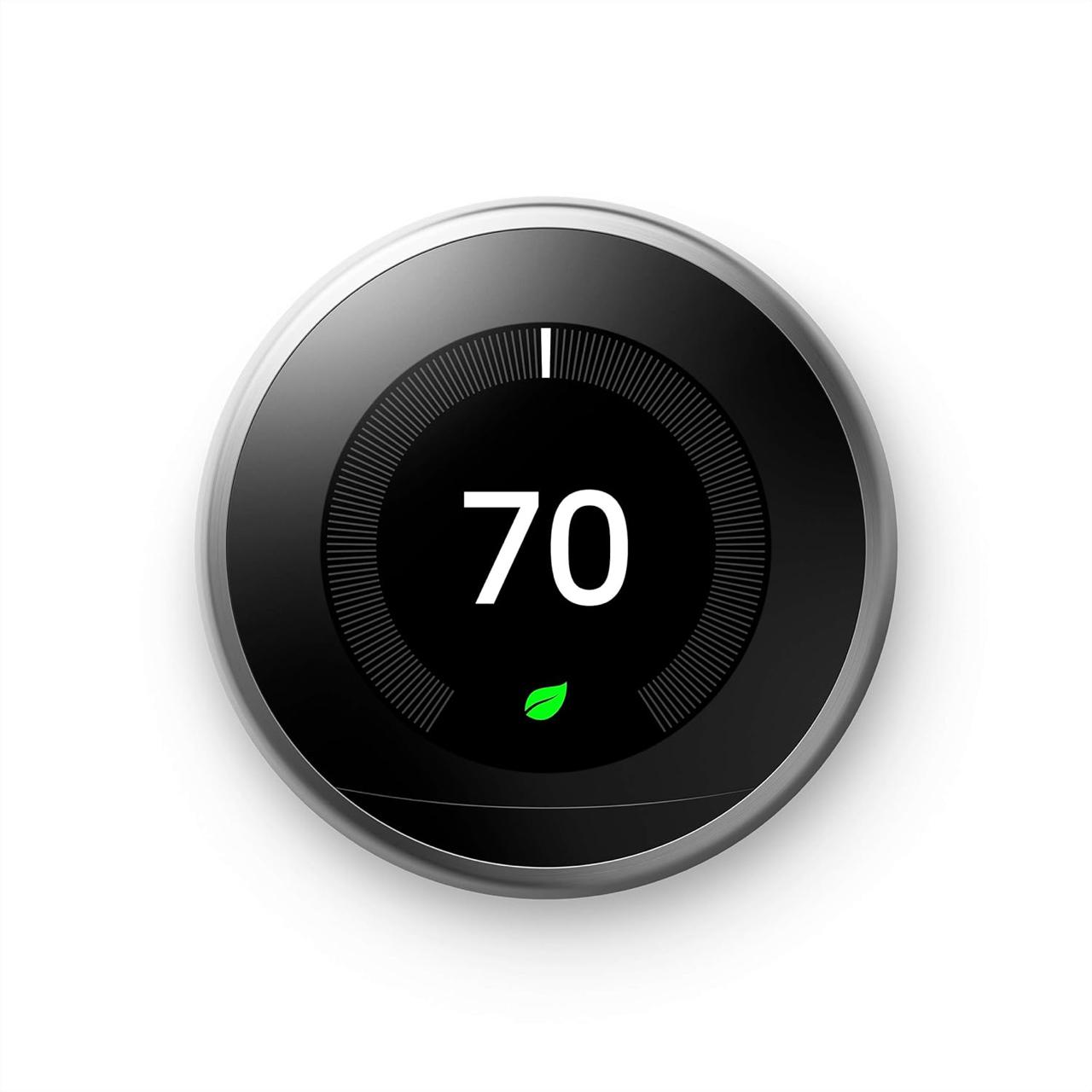
Google Nest Learning Thermostat (3rd Gen)
Auto-Schedule · ENERGY STAR · Works with Alexa & Google
View on Amazon~$179 · Payback: 8–14 months
Emporia Vue Smart Home Energy Monitor
PerformanceMonitors up to 16 circuits with clamp-on sensors to show exactly which appliance or HVAC stage is consuming the most during expensive peak hours. The Vue app breaks down usage by circuit, day, and hour so you can time-shift the biggest loads.
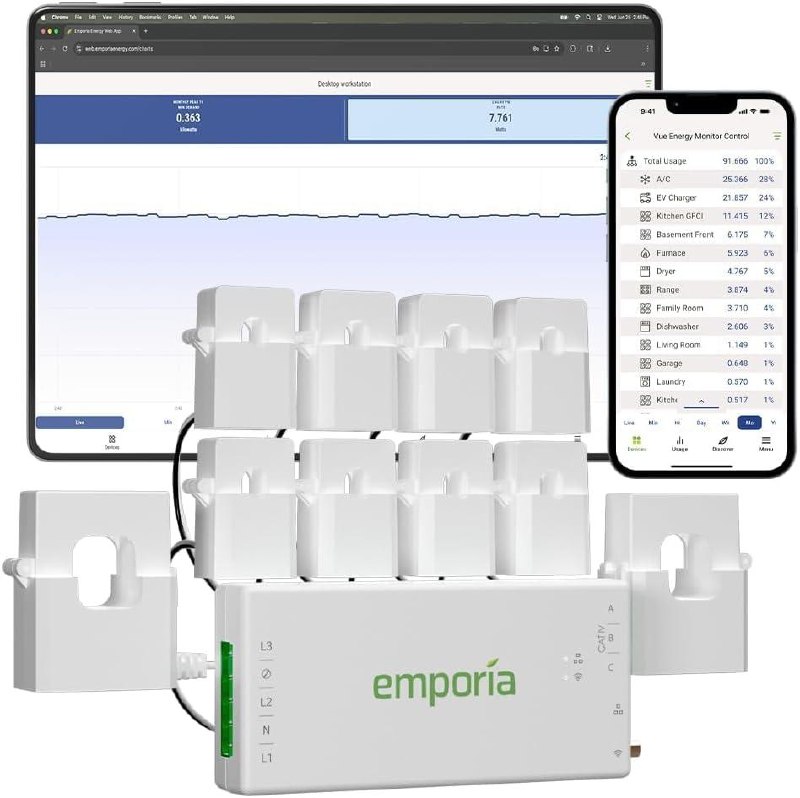
Emporia Vue 3 Home Energy Monitor
16 circuit sensors · Real-time app · Solar-compatible
View on Amazon~$80 · Payback: 2–4 months
Sense Energy Monitor
Eco-PremiumAI-powered device detection that automatically identifies appliances from their electrical signatures and sends real-time alerts when usage spikes unexpectedly. Best for homeowners who want ongoing automated detection without manually labeling every circuit.
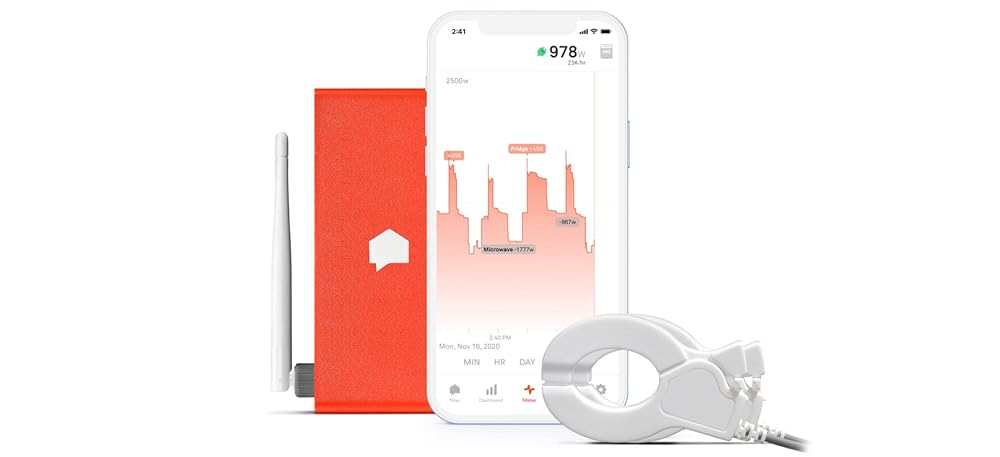
~$299 · Payback: 6–10 months
Frequently Asked Questions
Will my utility company give me a payment plan?
Yes. Most utilities offer budget billing, which spreads your annual average into 12 equal monthly payments. If you are experiencing hardship, apply for LIHEAP (Low Income Home Energy Assistance Program) or your utility's own hardship fund. These programs can provide grants of $200–$1,000 toward past-due balances. Call the customer-service number on your bill and ask specifically for "payment arrangements" and "LIHEAP eligibility."
I already have a fixed rate. Why did my bill still go up?
Fixed-rate plans only lock the supply portion of your bill. Delivery and transmission fees—often 40–60% of the total—are regulated by your utility and can increase independently. In 2026, many utilities raised grid maintenance and infrastructure fees, so even customers on fixed supply rates saw higher bills. Usage reduction is the only lever you fully control.
What is a time-of-use (TOU) electric plan?
A time-of-use plan charges different rates depending on when you use electricity. Peak hours (usually 4 PM–9 PM on weekdays) can cost 30–50% more per kWh than off-peak hours (typically 10 PM–6 AM). If you are on a TOU plan without realizing it, running your dishwasher, dryer, or EV charger at 6 PM can double the cost of those loads.
How much can a smart thermostat really save on a TOU plan?
ENERGY STAR-certified smart thermostats save an average of 8–15% on heating and cooling. On a TOU plan, the savings are even higher because auto-scheduling shifts HVAC runtime away from peak-rate windows. A household spending $350/month can realistically shave $40–$70/month by combining TOU-aware scheduling with a smart thermostat.
Is community solar really cheaper?
Community solar typically offers a 5–15% discount on the supply portion of your bill with zero upfront cost. You subscribe to a share of a local solar farm and receive monthly bill credits. The savings are modest but guaranteed, and there is no equipment on your roof. In states like New York, Massachusetts, and Illinois, community solar is one of the safest ways to reduce supply costs without installation.
Ready to cut your 2026 electric bill?
Get the full Rate Hike Response Checklist with utility-portal walkthroughs, TOU timing cheat sheets, and a DIY energy audit roadmap.
Download the Free Checklist