In This Guide
The Heat Pump Trap
An r/homeowners user reported their electric bill jumped by more than $130 in a single month. They have a heat pump and were advised to get a Nest or other smart thermostat, but they were confused about whether the thermostat itself was the problem or the solution.
They are not alone. Heat pump owners frequently see bill spikes when auxiliary heat strips kick in unnecessarily. The heat pump itself is 2–4x more efficient than resistance heating—but the moment AUX heat fires, you are paying resistance-heat prices. The equipment is efficient; the control strategy is not.
Want a heat-pump thermostat tuning checklist?
Download our AUX Heat Lockout Guide with step-by-step app screenshots for Nest, Ecobee, and Mitsubishi controllers.
Why Auxiliary Heat Costs So Much
Electric resistance AUX heat costs 3–5x more per BTU than the heat pump compressor. A single hour of 10 kW auxiliary heat can cost $1.50–$2.50 at typical residential rates. If a misconfigured thermostat triggers AUX heat every time the indoor temperature drops 2°F below setpoint, that adds $100–$300 per month in winter.
Here is the math: a heat pump might draw 2–3 kW to maintain 70°F on a 35°F day. AUX heat draws 10 kW for the same output. If your thermostat calls for AUX heat for just two hours per day, you are burning an extra 20 kWh daily. Over a 30-day billing cycle, that is 600 kWh—enough to spike a $180 bill to $310.
Step 1: Lock Out Auxiliary Heat Above the Thermal Balance Point
Set the thermostat to disable AUX heat until the outdoor temperature drops below 30–35°F. This is the thermal balance point for most modern heat pumps: the temperature at which the compressor can no longer extract enough heat from outdoor air to keep up with indoor demand.
On a Nest: Go to Settings > Equipment > Heat Pump > Heat Pump Balance > Max Savings. Then set the AUX lockout to 35°F. This tells the thermostat to rely on the compressor until it is genuinely too cold outside.
On an Ecobee: Go to Settings > Installation Settings > Thresholds > Compressor to Aux Temperature Delta. Set the AUX heat lockout to 35°F. You can also enable "Heat Pump Balance" for auto-calibration.
Step 2: Enable Heat-Pump-Compatible Algorithms
Use a smart thermostat with true heat-pump logic. Nest offers "Heat Pump Balance," which learns your home's thermal response and favors the compressor. Ecobee offers "Heat Pump Balance" with auto-calibration and remote sensors to prevent AUX from firing just because one distant room is cold.
Avoid generic programmable thermostats that treat a heat pump like a gas furnace. A furnace can blast 120°F air for quick recovery; a heat pump cannot. If you demand fast recovery from a heat pump, the thermostat falls back to AUX heat—and your bill explodes.
Step 3: Verify Staging and Wiring
Have an HVAC tech confirm the thermostat is wired for two-stage compressor control, not just AUX heat. Single-stage wiring forces the system into an on/off binary that is inefficient and uncomfortable. With two-stage wiring, the thermostat can run the compressor at partial capacity during mild weather, reducing cycling and AUX calls.
Also verify that the outdoor temperature sensor is active. Some thermostats guess the outdoor temperature from indoor data, which leads to premature AUX activation. A dedicated outdoor sensor gives the thermostat real data to work with.
Smart Thermostat Recommendations: Budget / Performance / Eco-Premium
Google Nest Learning Thermostat
BudgetThe 3rd Gen Nest has a dedicated "Heat Pump Balance" setting in software. It works with most single- and two-stage heat pumps and the app is among the easiest to navigate. If you want a quick, reliable fix without diving into advanced menus, this is it.
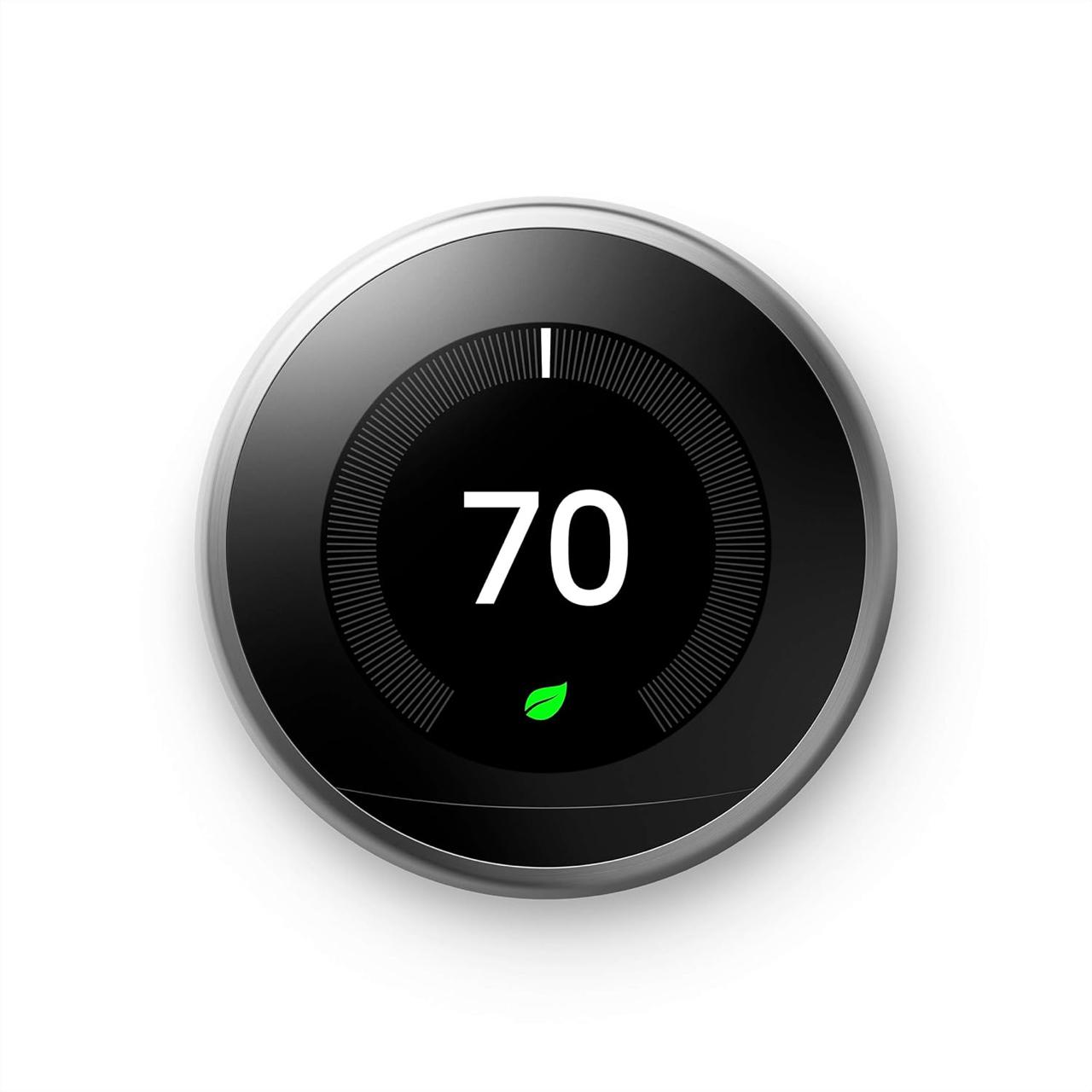
Google Nest Learning Thermostat (3rd Gen)
Heat Pump Balance · Auto-Schedule · ENERGY STAR
View on Amazon~$179 · Payback: 1–2 months (if it stops AUX waste)
Ecobee Smart Thermostat Premium
PerformanceIncludes "Heat Pump Balance" with auto-calibration and room sensors to prevent AUX heat from firing just because one distant room is cold. The Premium model also has built-in air-quality monitoring and Siri/Alexa integration. Best for homeowners who want granular control and multi-room balancing.
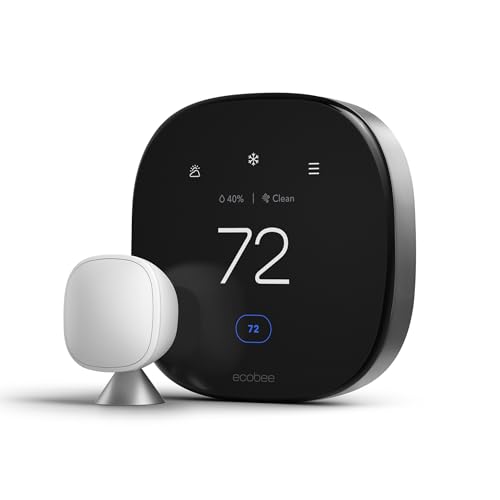
~$249 · Payback: 1–2 months
Mitsubishi M-Series Wi-Fi Remote Controller
Eco-PremiumNative integration with Mitsubishi hyper-heating heat pumps. Allows custom setpoints, AUX lockout, and staging control directly through the manufacturer's app. If you own a Mitsubishi mini-split or multi-zone system, third-party thermostats may not communicate as deeply with the inverter board. Use the native controller for best performance.
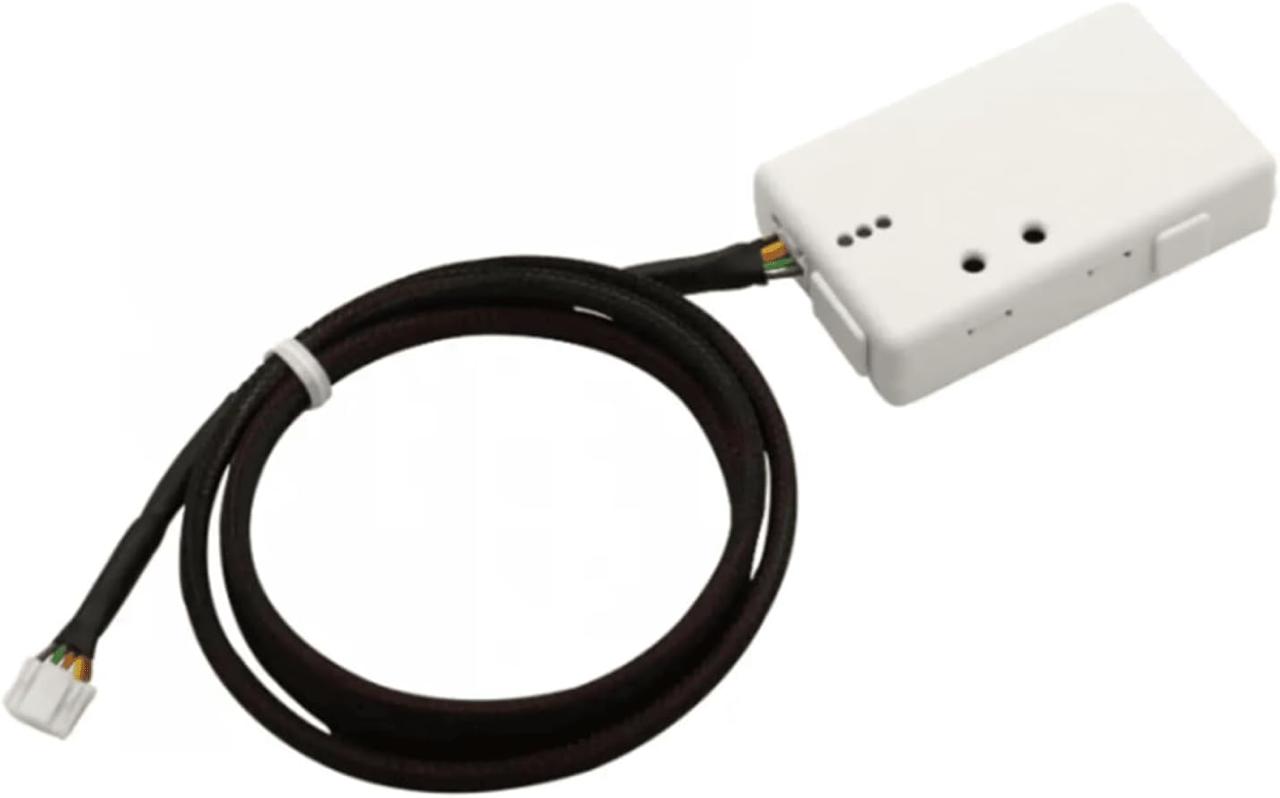
Mitsubishi Wi-Fi Interface Adapter
Native M-Series control · App-based scheduling · AUX lockout
View on Amazon~$300 · Payback: 1–2 months
Frequently Asked Questions
Should I just never use auxiliary heat?
No. Auxiliary heat is necessary during extreme cold (typically below 30–35°F) and during defrost cycles when the outdoor coil ices up. The goal is not to eliminate AUX heat entirely, but to prevent it from running when the heat pump compressor can handle the load alone. Set a safe lockout threshold at 30–35°F and allow AUX only below that.
My installer set up the thermostat. Why is AUX still running too much?
Many installers leave auxiliary heat enabled at 40°F or higher for quick recovery comfort. They optimize for customer complaints about cold air, not for energy cost. You should check the thermostat settings yourself—specifically the AUX lockout temperature and heat-pump balance mode. Most homeowners can adjust these in the app without touching wiring.
Will a Nest or Ecobee work with any heat pump?
Most modern heat pumps work with Nest and Ecobee, but you must tell the thermostat during setup that you have a heat pump (not conventional heat). If the system is wired for single-stage compressor control only, the thermostat cannot stage efficiently. Have an HVAC tech confirm two-stage wiring if your heat pump supports it.
How much does one hour of auxiliary heat cost?
A typical 10 kW auxiliary heat strip draws about 10 kW. At $0.15/kWh, one hour of AUX heat costs $1.50. If your thermostat triggers AUX heat for just two hours per day during winter, that adds $90/month. In colder climates with longer runtimes, AUX heat can add $200–$300/month.
Is a Mitsubishi hyper-heating heat pump different?
Yes. Mitsubishi hyper-heating (H2i) heat pumps maintain high efficiency down to -13°F and rarely need auxiliary heat. If you have a Mitsubishi system, use the manufacturer's Wi-Fi remote controller for the most precise setpoint and staging control. Third-party thermostats may not communicate as natively with the inverter board.
Ready to stop the AUX heat bleed?
Get the full Heat Pump Thermostat Tuning Checklist with lockout screenshots, cost calculators, and wiring diagrams.
Download the Free Checklist