In This Guide
The 1970s Colonial Syndrome
An r/HomeImprovement user in a 1970s colonial reported the second floor is 10+ degrees hotter than the first floor. The thermostat downstairs reads 72°F while upstairs bedrooms push 82°F. The goal is a fix that does not require expensive ductwork reconstruction.
This is one of the most common complaints in older homes. Heat stratification, solar gain on the roof, and poor attic insulation combine to turn the upstairs into a heat sink. Meanwhile, the HVAC runs longer to satisfy the downstairs thermostat, wasting $40–$100/month in extra cooling cycles that never reach the top floor evenly.
Want the upstairs-cooling checklist?
Download our Second-Floor Cooling Guide with attic radiant barrier diagrams, smart vent placement maps, and whole-house fan sizing calculators.
Why the Upstairs Overheats
Three forces stack against your second floor:
- Heat stratification: Warm air rises. In a two-story home, the hottest air naturally collects at the ceiling of the top floor.
- Solar gain on the roof: Dark asphalt shingles can reach 140–160°F in direct sun. That heat radiates downward through the attic and ceiling.
- Poor attic insulation: Many pre-1990 homes have R-19 or less in the attic. Modern codes require R-49 or higher.
The result is a constant thermal load that your downstairs thermostat does not even sense. The system runs until the first floor is comfortable, leaving the second floor sweltering.
Step 1: Stop Heat at the Roof
Install a radiant barrier in the attic to reflect solar heat. A staple-up perforated aluminum foil can drop attic temperatures by 20–40°F, dramatically reducing downward thermal transfer. It does not replace insulation, but it reduces the radiant heat load that insulation must absorb.
Install the foil shiny-side-up between the rafters, leaving a 1-inch air gap above for ventilation. Do not lay it on top of insulation—that compresses the air gap and reduces effectiveness. In a typical 1,500 sq ft attic, the job takes 2–3 hours.
Step 2: Balance Airflow Mechanically
Replace a few upstairs registers with smart vents that open and close based on room temperature. Smart vents force more conditioned air to the rooms that actually need it, without rewiring dampers or touching the ductwork.
Start with the hottest upstairs room—usually the southwest-facing bedroom. Install a smart vent there and one in the upstairs hallway. Most systems improve top-floor comfort by 3–7°F within the first week. Do not close more than 30% of your total vents; excessive closure raises static pressure and can damage the blower.
Step 3: Flush Heat at Night
If your local climate cools at night, run a whole-house fan after sunset to expel trapped hot air and pull in cool evening air. It costs pennies compared to A/C runtime and can drop upstairs temperatures by 5–15°F in under 30 minutes.
Open windows on the first floor and in the upstairs hallway. Turn on the fan for 15–30 minutes, then close the windows and let the thermal mass of the cooled house carry you through the night. In shoulder seasons, a whole-house fan can eliminate AC use entirely.
Product Recommendations: Budget / Performance / Eco-Premium
AtticFoil Radiant Barrier Foil
BudgetDIY staple-up aluminum perforated foil that reflects 95% of radiant heat. Does not replace insulation but reduces the thermal load that your existing insulation must absorb. A 1,000 sq ft roll covers most attics.
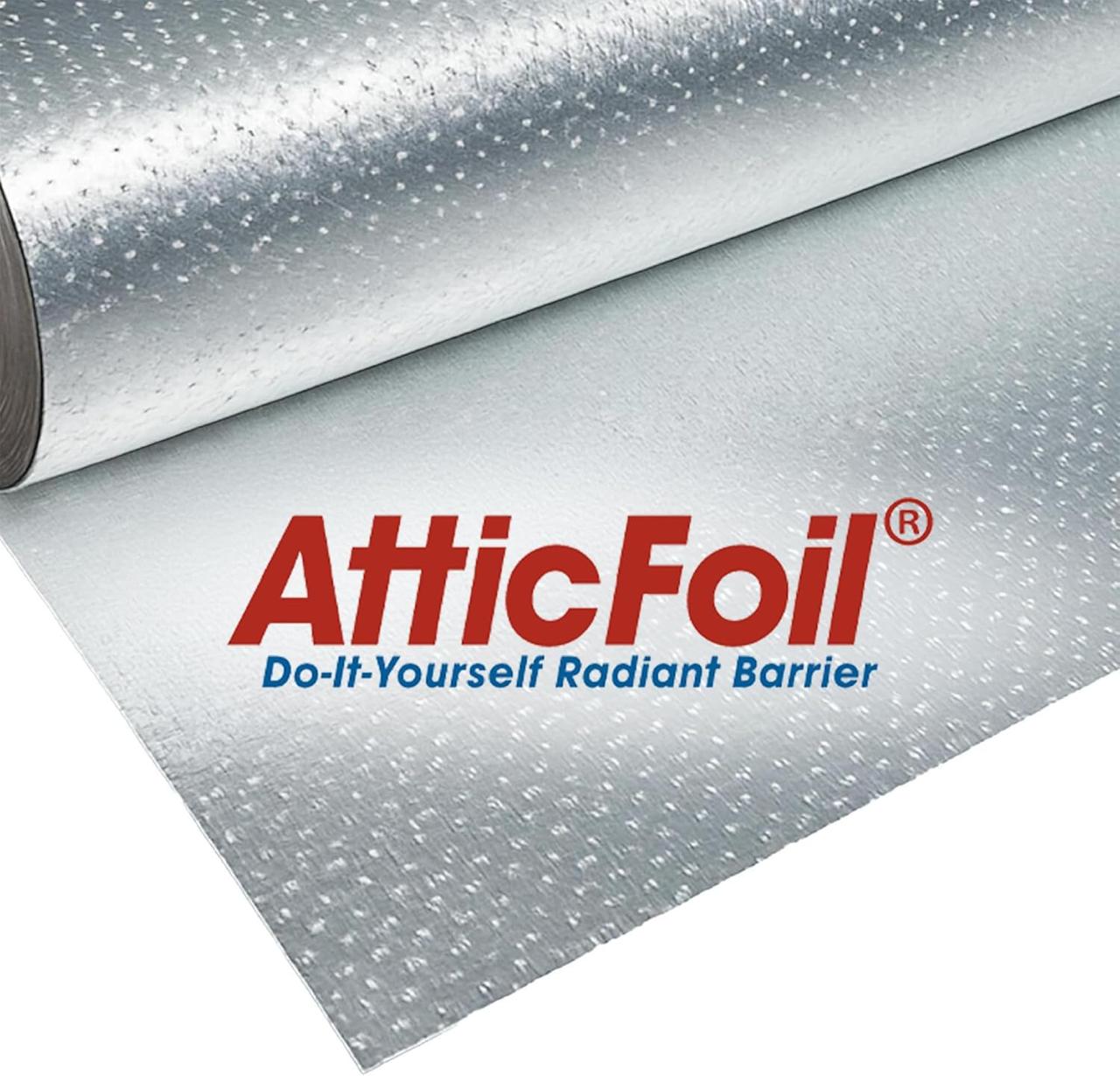
~$50–$100 · Payback: 1 season
Flair Smart Vent
PerformanceBattery-powered smart registers that integrate with Nest, Ecobee, and Honeywell thermostats to auto-balance room temperatures without rewiring dampers. Install in 5 minutes per vent. The app shows temperature maps by room.
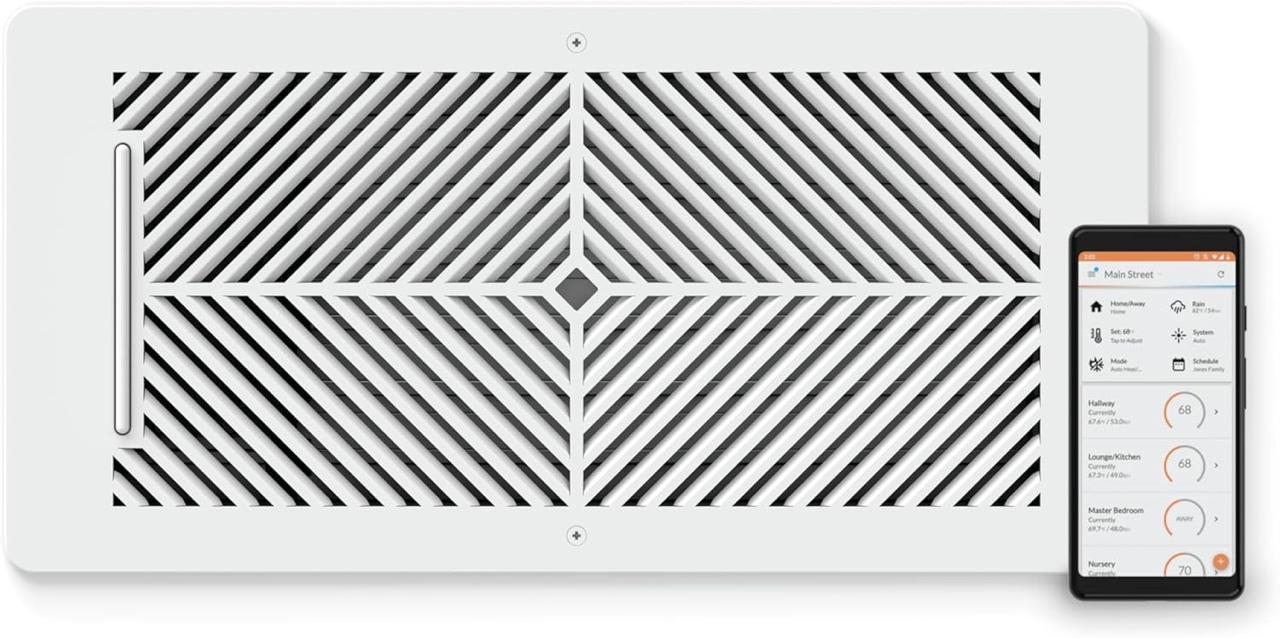
~$100/vent · Payback: 1–2 seasons
QuietCool Whole House Fan
Eco-PremiumMoves 2,000–6,000 CFM to slash A/C needs during shoulder seasons and nighttime. The Stealth series uses insulated dampers to prevent backdraft in winter. Professional installation recommended for electrical and attic framing work.
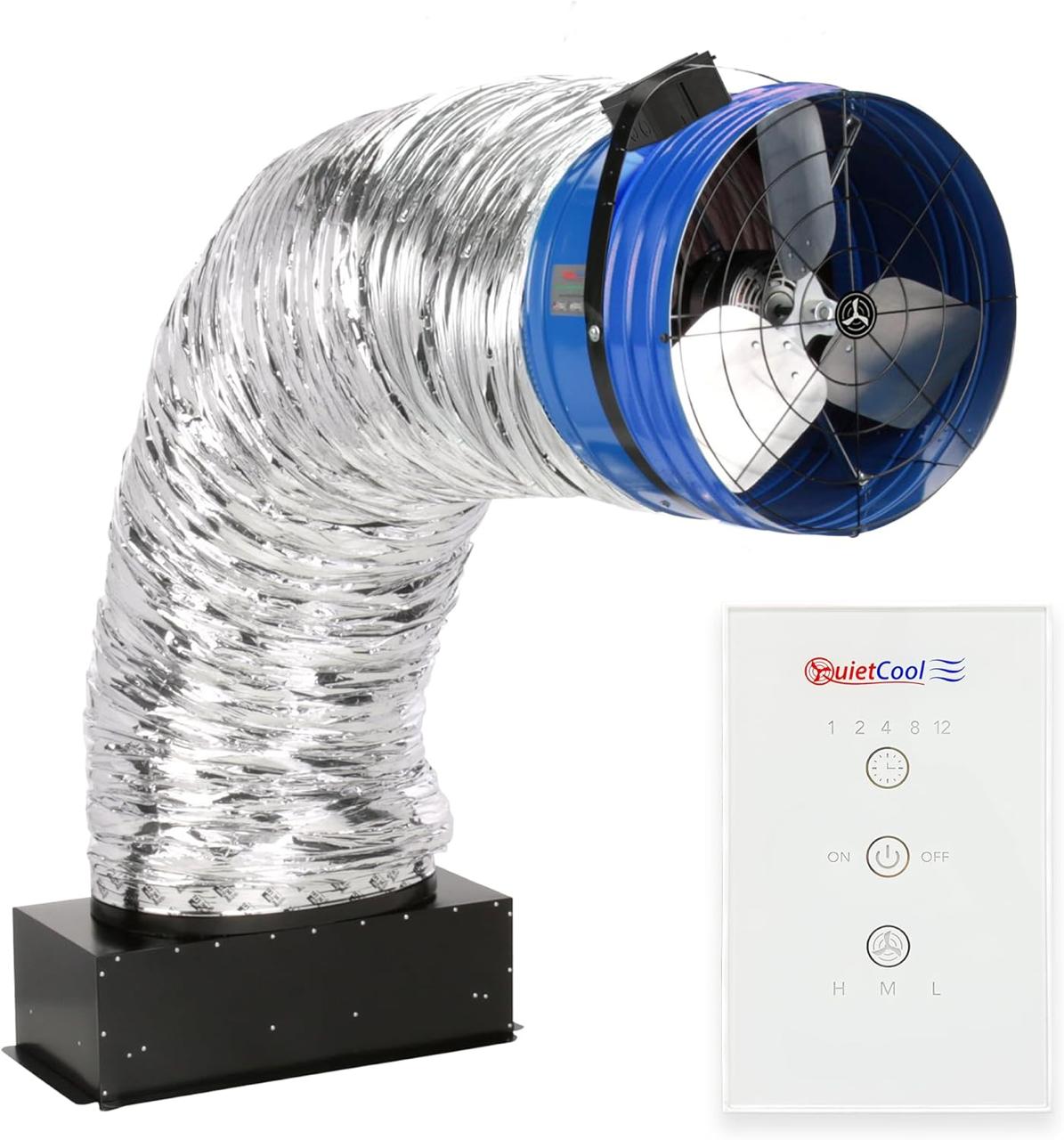
~$1,200–$1,800 installed · Payback: 2–3 seasons
Frequently Asked Questions
Will closing downstairs vents help cool the upstairs?
Closing too many downstairs vents increases static pressure in your ductwork, which can damage the blower motor and reduce airflow overall. Instead of manually closing vents, use smart vents or balancing dampers that adjust based on temperature sensors. These maintain proper pressure while redirecting conditioned air where it is needed.
I don't have attic access. What are my alternatives?
If you cannot access the attic, install portable radiant-barrier panels on the second-floor ceiling or use solar attic fans that mount through the roof from the outside. You can also focus on the living space: blackout curtains, window film, and smart vents can significantly improve upstairs comfort without attic work.
How much does a whole-house fan lower upstairs temperature?
A properly sized whole-house fan can lower upstairs temperatures by 5–15°F within 30 minutes by expelling trapped hot air and pulling in cooler evening air. It uses 80–300 watts compared to 2,000–4,000 watts for central AC. In shoulder seasons, a whole-house fan can eliminate the need for AC entirely at night.
Do smart vents really balance room temperatures?
Yes. Smart vents like Flair use temperature and pressure sensors to open and close individual registers automatically. When paired with a compatible thermostat, they can redirect airflow to hot rooms without manual adjustment. Expect a 3–7°F improvement in problem rooms after installation.
Ready to cool your upstairs without new ductwork?
Get the full Second-Floor Cooling Checklist with radiant barrier diagrams, vent placement maps, and fan sizing calculators.
Download the Free Checklist