In This Guide
The NJ Rate Shock
A recent post in r/energy titled "NJ energy bills making me question adulthood.... any survival tips?" shows a user overwhelmed by sky-high New Jersey energy bills and desperate for actionable, low-cost ways to cut usage without major renovations.
If you live in NJ, NY, MA, or CA, you know the feeling. Delivery fees plus supply charges push effective rates to $0.18–$0.24/kWh. For a typical 900 kWh/month home, that is $160–$220 before the HVAC even kicks in. Even a 10% reduction in waste can save $200–$250 per year.
Want the NJ-specific energy audit checklist?
Download our High-Rate State Survival Guide with NJ utility portal walkthroughs, ESCO comparison tips, and rebate links for PSE&G, JCP&L, and Atlantic City Electric.
Why NJ Bills Cost So Much
New Jersey's electric market is deregulated, which means you can shop for supply rates—but delivery fees are set by your local utility and have risen sharply for grid modernization. In 2026, delivery charges increased 5–7% across the state. That means even if you use the same kWh as last year, your bill can climb $20–$40/month.
The other hidden driver is time-of-use (TOU) plans. Many NJ utilities default new customers into TOU rates. If you run your dishwasher, dryer, or EV charger during peak hours (4 PM–9 PM on weekdays), you pay a premium of 30–50% over off-peak rates.
Step 1: Check the Rate Structure
Log into your utility portal and confirm whether you are on a fixed, variable, or time-of-use plan. For PSE&G, look under "My Account > Billing > Rate Plan." For JCP&L, check "My Usage > Plan Details." If you are on TOU, shift high-load tasks to off-peak hours (typically 10 PM–6 AM).
Call your utility to ask about budget billing, which spreads your annual average into 12 equal payments. This does not lower your total cost, but it eliminates the sticker shock of summer and winter spikes.
Step 2: 10-Minute Air-Seal Sprint
Apply foam weatherstripping to doors, caulk window frames, and install draft stoppers. The DOE estimates air sealing can cut 10–20% off heating and cooling costs. In a $250/month winter heating bill, that is $25–$50 per month in savings for under $15 in materials.
Focus on the attic hatch, exterior doors, and windows facing the prevailing wind (usually northwest in NJ). A stick of incense on a windy day will show you exactly where the leaks are.
Step 3: Find the Phantom Furnace
Use an outlet-level energy monitor on major appliances—fridge, space heater, dehumidifier—to identify the culprit driving usage up. In high-rate states, a single old dehumidifier running 24/7 can cost $40–$60/month. A failing refrigerator compressor can add $20–$30/month.
Plug each suspect into a Kill A Watt for 48 hours. If the kWh reading is higher than the manufacturer's spec, you have found your phantom furnace.
Product Recommendations: Budget / Performance / Eco-Premium
3M Indoor Window Insulator Kit
BudgetA film-and-tape kit that adds an insulating air layer to old single-pane windows common in pre-1980s NJ homes. It stops the "cold waterfall" draft feeling and is removable in spring with no residue.
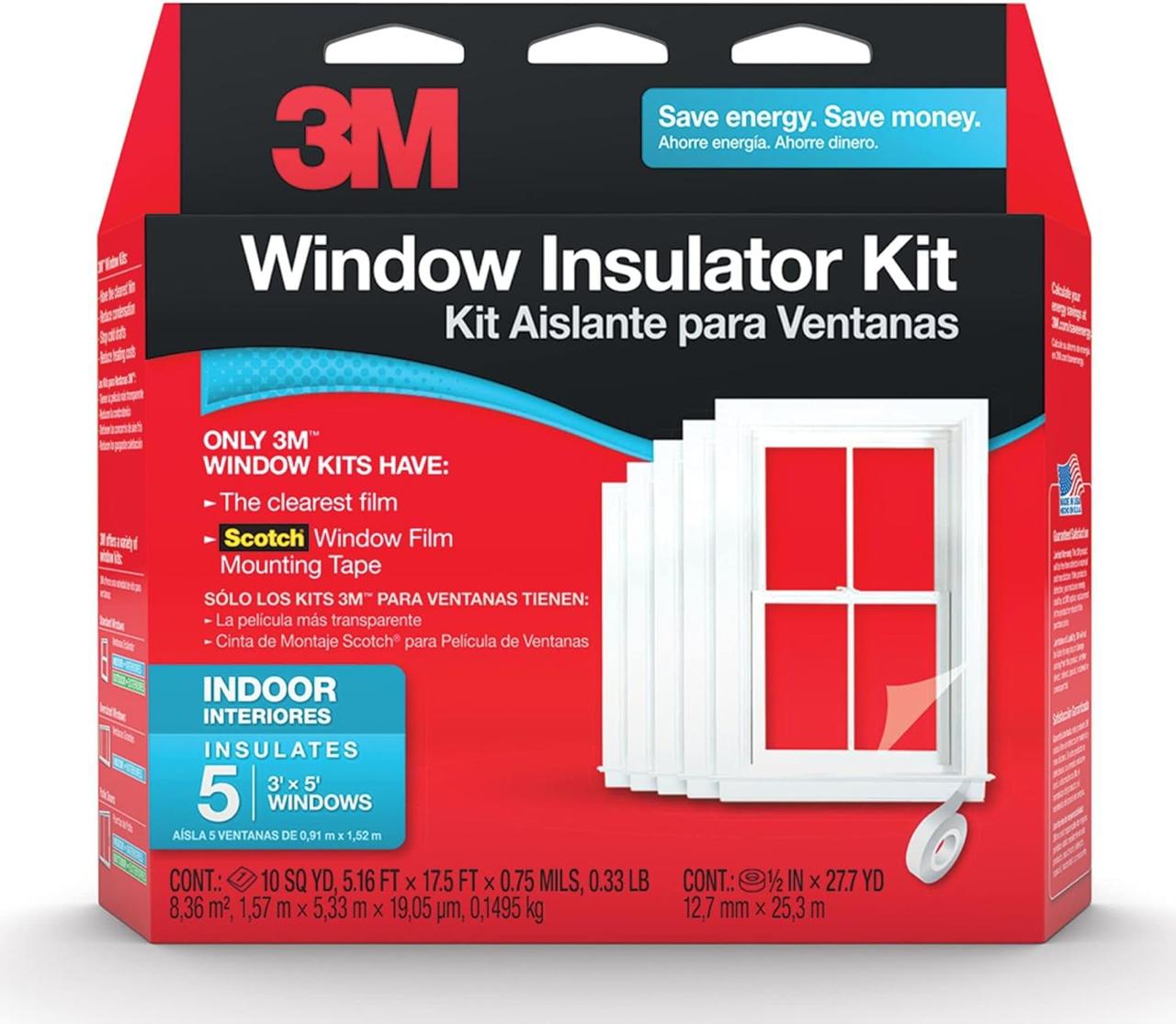
3M Indoor Window Insulator Kit (5-window)
Heat-shrink film · Double-sided tape · Renter-friendly
View on Amazon~$25 · Payback: 3–5 weeks
Emporia Vue Smart Home Energy Monitor
PerformanceWhole-home circuit-level monitoring via clamp-on sensors. Spots the exact circuit causing the spike—whether it is the water heater, dryer, or HVAC. In high-rate states like NJ, knowing which circuit to target pays for the monitor in under two months.
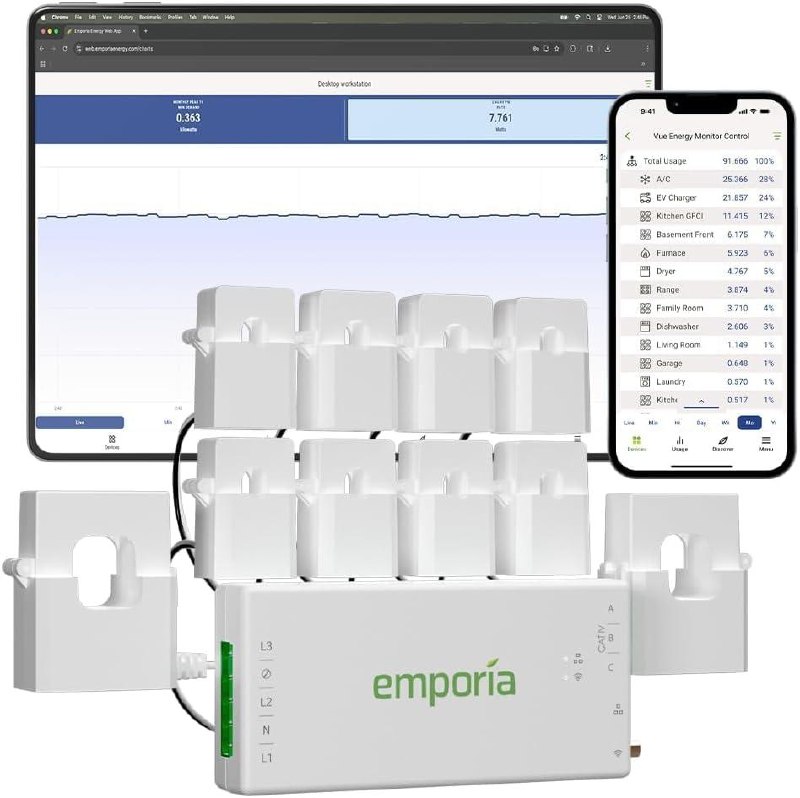
Emporia Vue 3 Home Energy Monitor
16 circuit sensors · Real-time app · Solar-compatible
View on Amazon~$80 · Payback: 1–2 months
Sense Energy Monitor
Eco-PremiumReal-time AI-powered device detection in the electrical panel. Best for NJ homeowners who want automated appliance-level breakdowns and solar-production overlay. The machine learning identifies each device by its electrical signature, so you do not have to label circuits manually.
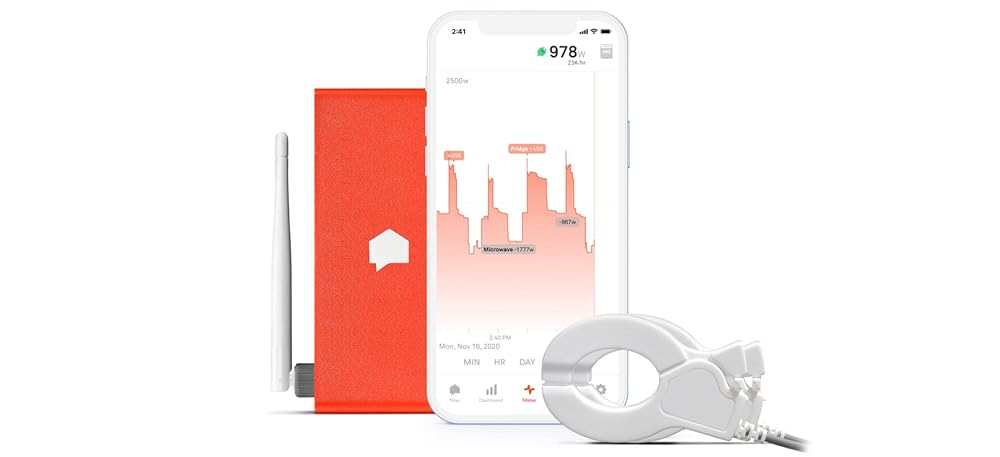
~$299 · Payback: 4–6 months
Frequently Asked Questions
Should I switch energy suppliers in NJ?
In NJ's deregulated market, you can choose an Energy Service Company (ESCO) for your supply rate. Compare the "price to compare" on your utility bill against ESCO fixed rates. Be wary of teaser rates that spike after an introductory period. Always read the fine print and avoid variable ESCO plans unless you understand the risks.
I rent in NJ. What can I do to lower my bill?
Renters should focus on reversible solutions: 3M shrink-film window kits, smart power strips, outlet-level energy monitors, and foam weatherstripping that peels off cleanly. You cannot change the structure, but you can cut usage and identify which appliance the landlord should repair.
How high are NJ electric rates compared to the national average?
New Jersey's average residential electric rate is roughly $0.18–$0.24/kWh, compared to the U.S. average of about $0.16/kWh. Delivery fees in the PJM grid region are among the highest in the country. A typical 900 kWh/month home in NJ pays $60–$80 more per month than the same home in a low-rate state.
Can I get a free energy audit in NJ?
Yes. NJ's Clean Energy Program offers free home energy audits through participating contractors. PSE&G, JCP&L, and Atlantic City Electric also provide online audit tools and rebates for insulation, smart thermostats, and HVAC upgrades. Check your utility's website for current rebate availability.
Ready to lower your NJ electric bill?
Get the full NJ Energy Audit Checklist with utility portal walkthroughs, ESCO comparison tips, and rebate links.
Download the Free Checklist