In This Guide
The Portable AC Trap
A user in r/Frugal reported their electricity bill "noticeably increased" after buying a Hisense portable/window AC unit and asked the community for cheaper usage tactics. They are not alone. Every summer, thousands of renters and homeowners buy cheap portable units without realizing they are the most expensive way to cool a room.
The problem is physics. Single-hose portable ACs create negative pressure inside your home. As they exhaust hot air out the window, they pull hot outdoor air back in through every gap, crack, and outlet. The unit ends up fighting a losing battle against infiltration that it caused.
Want a summer cooling cost calculator?
Download our Portable AC Survival Guide with a BTU-to-sq-ft calculator, monthly cost estimator, and the exact supplies to seal your window.
Why Portable ACs Drain Your Wallet
Portable and single-hose window ACs are notoriously inefficient, with Energy Efficiency Ratios (EER) of 6–9. A 10,000 BTU unit drawing 1.25 kW, running 8 hours per day at $0.15/kWh, adds $45/month. If you run it 12 hours daily or live in a high-rate state, that climbs to $90/month.
Without complementary thermal sealing, the unit fights solar heat gain and air leaks. Every watt of heat that enters through an unsealed window or uninsulated attic is a watt your AC must remove. The cheapest cooling is the cooling you do not need in the first place.
Step 1: Treat the Window First
Apply shrink-film window insulation to the entire window, not just the AC opening. Replace the accordion side panels that come with portable units with rigid foam board inserts cut to fit. Those accordion panels are thin plastic with large air gaps; they leak more heat than the unit removes.
Seal the top and sides of the window sash with removable caulk or weatherstripping tape. The goal is to make the window as airtight as if the AC were not there. A $10 window film kit can cut infiltration by 70%.
Step 2: Block Solar Gain
Hang thermal blackout curtains on sun-facing windows. This alone can lower room temperature by 5–15°F, shortening compressor run-time. Close the curtains during peak sun hours (10 AM–4 PM) and open them at night if outdoor temperatures drop.
If you cannot mount curtains, apply reflective window film to the exterior glass. It blocks infrared radiation before it enters the room. For renters, both options are fully removable.
Step 3: Run It Smarter, Not Colder
Set the thermostat to 78°F and use oscillating fans for evaporative cooling. Every degree below 78°F increases energy use by roughly 3–4%. At 72°F, you are paying 18–24% more for a comfort difference most people barely notice.
Only cool the room you are in. Close doors to unused rooms. If you have a central system, do not run the portable AC and central AC simultaneously—they will fight each other. Portable units are for spot cooling, not whole-home backup.
Product Recommendations: Budget / Performance / Eco-Premium
NICETOWN Thermal Insulated Blackout Curtains
BudgetMachine-washable, blocks UV and insulates against outdoor heat. Grommet top makes installation easy. The thermal layer reflects solar radiation before it warms the room, shortening AC runtime by 1–3 hours per day.
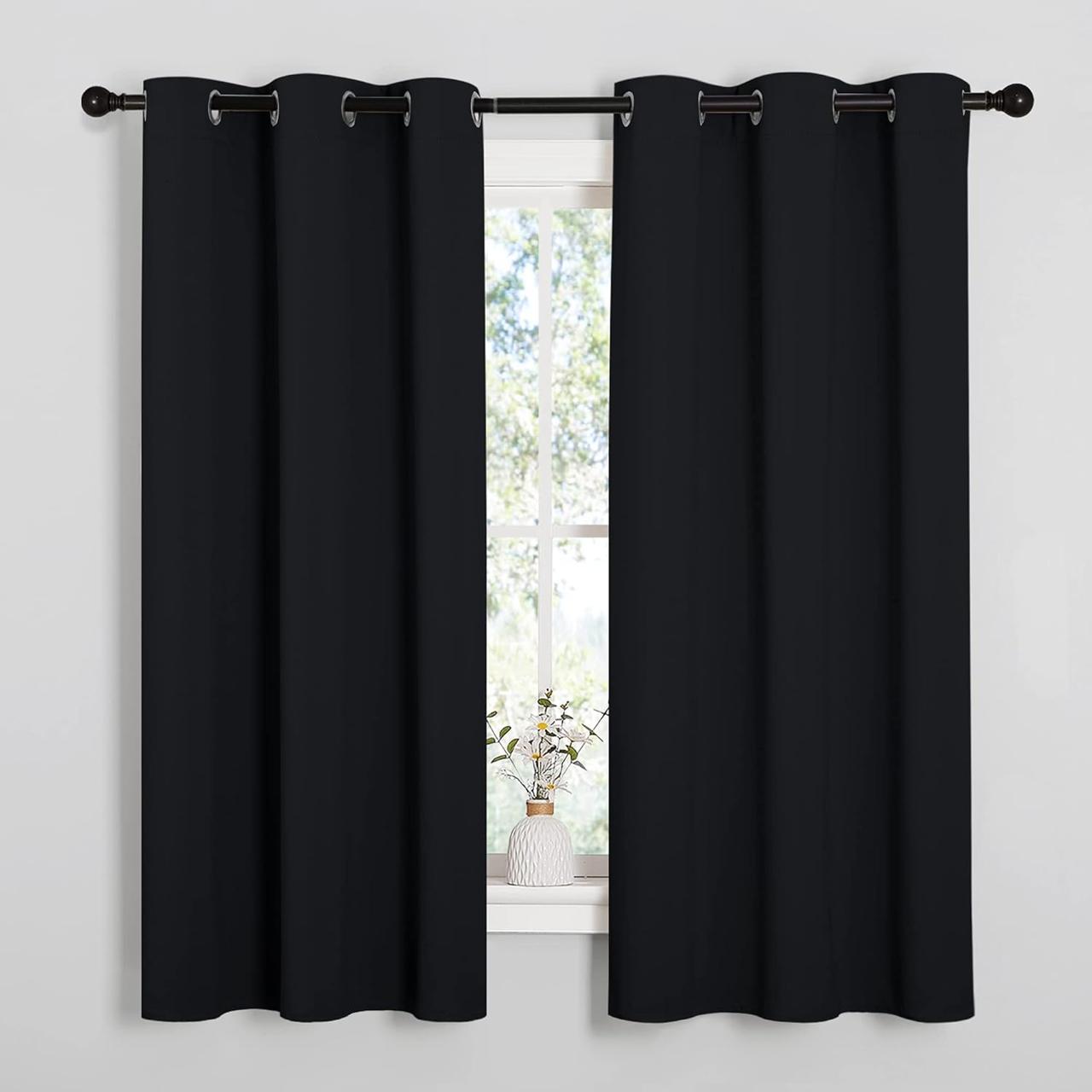
~$32 · Payback: 2–4 weeks
3M Window Insulation Kit + Foam Board Side Panels
PerformanceCombine the 3M shrink-film kit with rigid foam board cut to replace the accordion side panels on your portable AC. This stops drafts around both the AC unit and the window frame for under $40 total. The foam board is reusable season after season.
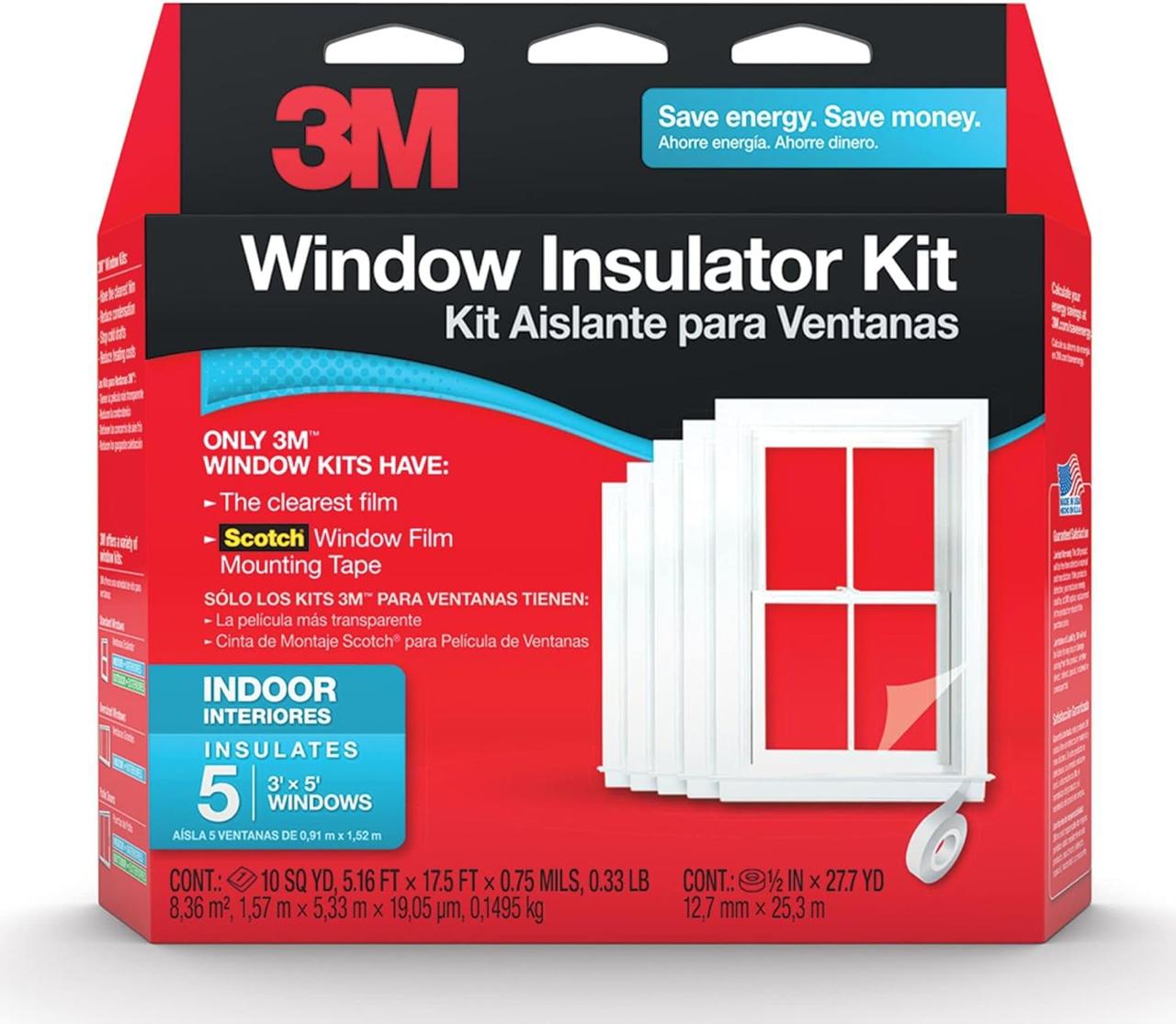
~$25 kit + ~$15 foam board · Payback: 3–5 weeks
Midea U Inverter Window Air Conditioner
Eco-PremiumA U-shaped inverter design that lets the window close for better insulation and achieves CEER ratings up to 15, cutting energy use by ~35% versus standard window units. It is also ultra-quiet and compatible with Alexa and Google Assistant for smart scheduling.
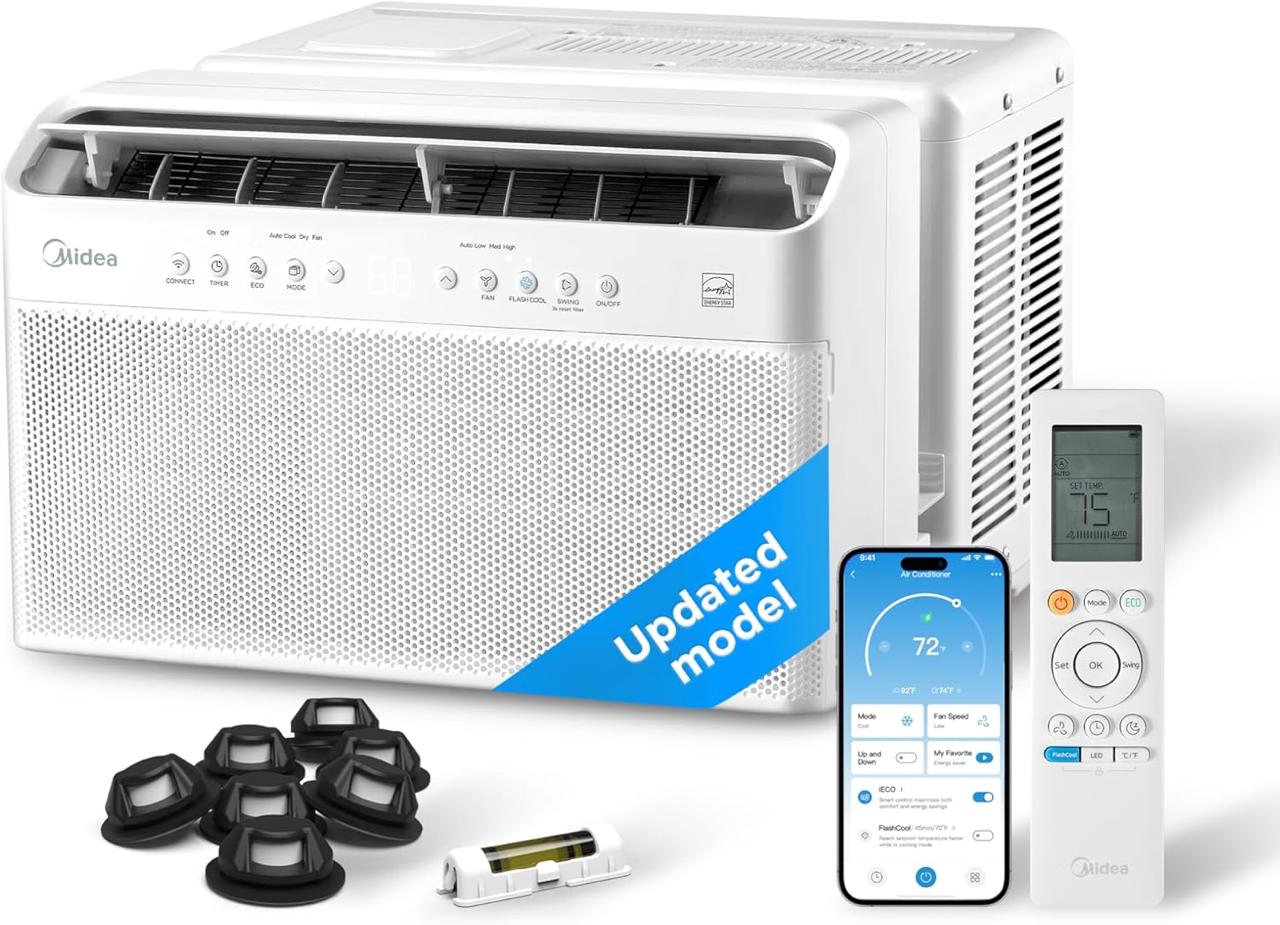
Midea U Inverter Window Air Conditioner
U-shaped · CEER up to 15 · Quiet · Smart home ready
View on Amazon~$350 · Payback: 1–2 seasons
Frequently Asked Questions
Is a dual-hose portable AC better than single-hose?
Yes. Dual-hose portable ACs improve efficiency by about 20% over single-hose designs because they draw outdoor air through one hose to cool the condenser and exhaust hot air through the second hose. Single-hose units create negative pressure inside your home, pulling in hot outdoor air through every crack. However, even dual-hose units lag behind window inverters in efficiency.
How much does it cost to run a 10,000 BTU portable AC 8 hours per day?
At $0.15/kWh, a 10,000 BTU portable AC with an EER of 8 draws roughly 1.25 kW. Running 8 hours per day equals 10 kWh daily, or 300 kWh monthly. That costs $45/month. Over a 4-month cooling season, the total is $180. A more efficient window inverter with a CEER of 15 would cut that to roughly $24/month.
Do blackout curtains really lower room temperature?
Yes. Thermal insulated blackout curtains can lower room temperature by 5–15°F on sun-facing windows by blocking solar radiation before it enters the room. That shorter compressor runtime pays for the curtains in one billing cycle.
Should I replace my portable AC with a window unit?
If you can install a window unit, an inverter-style window AC like the Midea U-shaped design is significantly more efficient (CEER up to 15) than any portable unit. It also lets the window close for better insulation. For renters with strict lease terms, a dual-hose portable AC plus thermal curtains and window film is the best compromise.
Ready to stop overpaying for portable cooling?
Get the full Portable AC Cost-Cutting Checklist with a BTU calculator, sealing diagrams, and product links.
Download the Free Checklist