Climate Calibration · Updated May 2026 · 12 min read · EcoHome Intelligence
Best Thermostat Placement: Why Your Bedroom Is Cold and the Hallway Is Fine
Your thermostat is in the hallway. You sleep in the bedroom. The hallway temperature reaches the setpoint. The HVAC shuts off. Your bedroom stays cold. This design flaw costs the average home $250-$600 per year. Here is why builders get it wrong — and how to fix it.
In This Guide
Why Your Thermostat Is Wrong
Bad placement is a common cause of short cycling too: how to tell placement from an oversized system.
If yours is already installed and reading oddly, start here instead: thermostat reading the wrong temperature.
Walk into almost any home in America and you will find the thermostat in the same place: a hallway, usually near the return air vent, at about chest height.
This is not a mistake. It is builder standard practice. Hallways are centrally located, have no windows (usually), and are easy to wire during construction. For the builder, it is the most convenient choice.
For you, it is the worst possible choice.
Here is why:
- You do not live in the hallway
- Hallways have no heat load (no windows, no exterior walls, no drafts)
- Hallway temperature is the average of every room it connects — not the temperature of any room you actually use
- Your bedroom has windows, exterior walls, and drafts — it is 3-8°F colder than the hallway in winter
The HVAC system reaches the hallway temperature and shuts off. Your bedroom is still 67°F while the hallway is 72°F. You are cold. The system is off. You either suffer or turn the thermostat up — which overheats the hallway, costs more, and still does not fix the bedroom.
Want the exact thermostat + sensor system we recommend?
The Comfort Calibration Kit includes smart thermostats with room sensors tested for accuracy, ease of setup, and energy savings.
3 Rules of Thermostat Placement
Rule 1: Put It in a Room You Actually Use
If the thermostat is in the living room, the living room will be comfortable. If it is in the bedroom, the bedroom will be comfortable. This sounds obvious, but most builders ignore it.
The fix: If you have a smart thermostat with room sensors, place the main thermostat in the living room and put a sensor in the bedroom. The system will average the two (or prioritize the room you are in), eliminating the hallway bias.
Rule 2: Keep It Away From Heat Sources and Drafts
A thermostat within 5 feet of a window will read 5-15°F colder in winter because of radiant heat loss through the glass. Near a kitchen, it will read 5-10°F warmer. Near a vent, it will read whatever the HVAC is blowing — not the actual room temperature.
Bad locations: Above radiators, near fireplaces, in direct sunlight, above heating vents, near kitchen appliances, in rooms with exterior doors that open frequently.
Rule 3: Mount It at Eye Level on an Interior Wall
The standard height is 52-60 inches from the floor. This avoids the cold air layer near the floor and the warm air layer near the ceiling. An interior wall prevents the exterior wall's radiant temperature from skewing the reading.
Exception: If you are using a smart thermostat with a remote sensor, the sensor can go anywhere in the room. The main thermostat just needs a good central location with a power wire.
Best and Worst Rooms for Your Thermostat
Best: Living room, master bedroom, primary workspace. These are rooms where you spend the most time and care about the temperature.
OK: Dining room, home office. No kitchen heat, usually fewer windows, and people care about the temperature.
Worst: Hallway, entryway, kitchen, bathroom, laundry room, garage. These have extreme temperature swings, heat sources, or no occupant time.
Smart Thermostats with Room Sensors: The Real Fix
If your thermostat is already in the hallway and you cannot move it, the solution is remote room sensors. These small wireless devices (about the size of a smoke detector) measure temperature in any room and feed the data to the thermostat.
How Room Sensors Work
- Place one sensor in the living room, one in the master bedroom, one in the home office.
- Tell the thermostat which rooms you are using (manually or via motion detection).
- The thermostat averages the temperature of only the occupied rooms — ignoring the hallway and empty guest room.
- The HVAC runs until the occupied rooms reach the setpoint, not the hallway.
Top Pick: Ecobee SmartThermostat Enhanced + Sensors
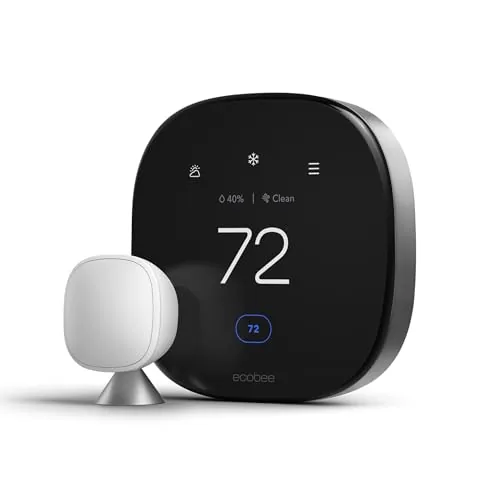
Ecobee Smart Thermostat Premium
2 room sensors included · Occupancy detection · 15-23% savings
View on Amazon →The Ecobee system is the gold standard for multi-room temperature control. It includes 2 sensors in the box, supports up to 32 total, and uses Smart Home/Away to detect occupancy by motion. If a room is empty for 2 hours, it is dropped from the average. When you walk in, it is added back.
Why it wins: True multi-room averaging, occupancy detection, and geofencing (it knows you are coming home 15 minutes before you arrive). Typical energy savings: 15-23%.
Runner-Up: Nest Learning Thermostat + Nest Temperature Sensors
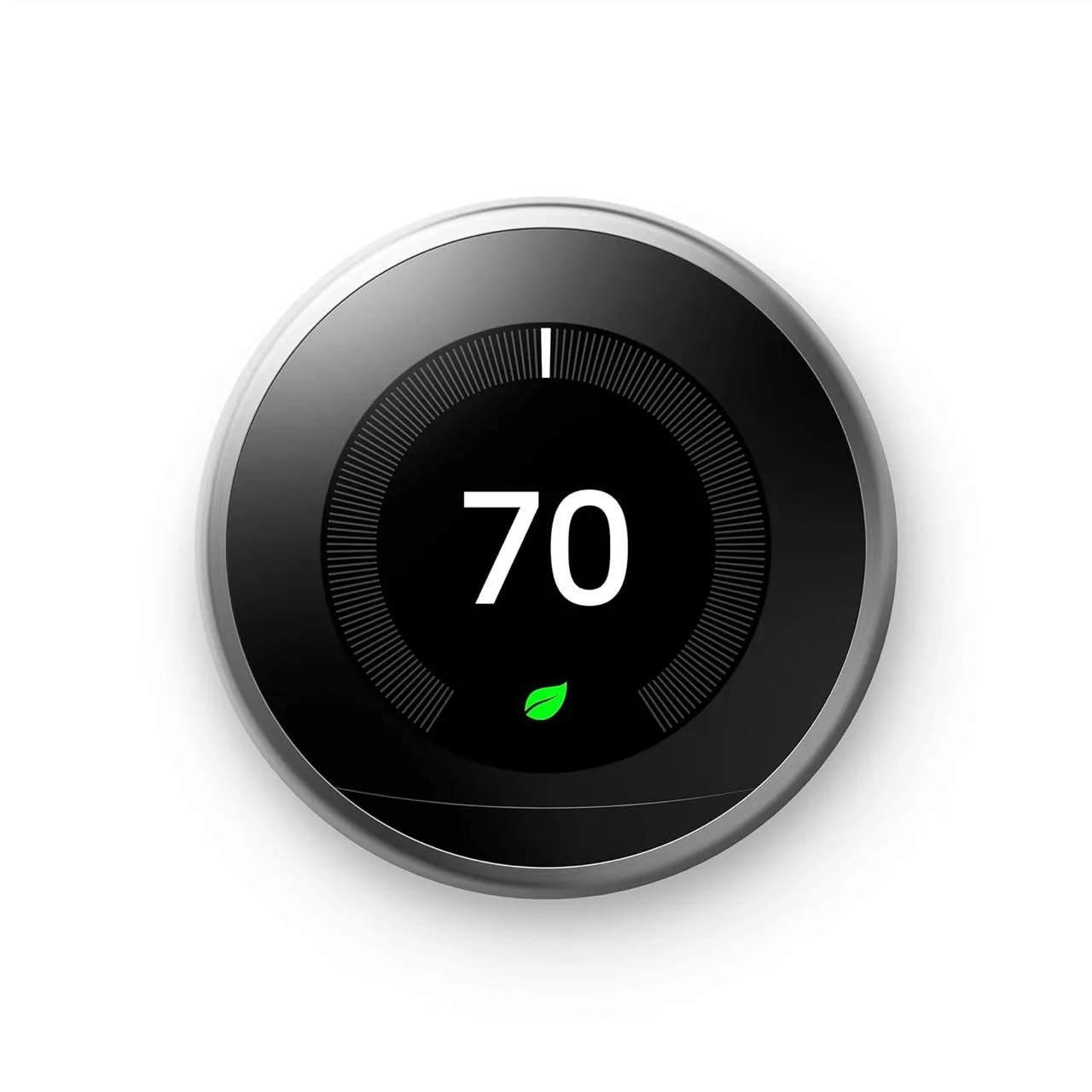
Google Nest Learning Thermostat (3rd Gen)
Auto-schedule learning · Home/Away Assist · Premium design
View on Amazon →Nest's approach is simpler: you choose a "priority" room for each time block (bedroom at night, living room during the day). It does not average multiple rooms simultaneously, but it does learn your schedule automatically and has the best smartphone app of any thermostat.
Why it is second: No true multi-room averaging. Only one priority room at a time. But the learning algorithm and app experience are unmatched.
What the Comfort Gap Costs You
The "comfort gap" — the difference between your hallway temperature and your actual living temperature — is expensive. Here's the math:
- Every 1°F you turn up the thermostat = 6% more energy use
- A 5°F comfort gap means you are running 30% more energy than necessary
- For a home with $1,800/year HVAC costs, that is $540/year in waste
- Even with conservative assumptions (3°F gap, 18% more usage), the cost is $324/year
The fix: smart thermostat + 2 room sensors. The payback is 6-10 months.
Frequently Asked Questions
Where is the best place to put a thermostat?
An interior wall in a room you actually use (living room or bedroom), at 52-60 inches height, away from windows, vents, doors, direct sunlight, and kitchen heat. The worst place is a hallway or exterior wall.
Why is my bedroom cold but the rest of the house is fine?
Your thermostat is in the hallway. The hallway reaches the setpoint. The HVAC shuts off. Your bedroom, which has windows and exterior walls, stays colder. Smart thermostats with room sensors fix this by measuring the bedroom temperature too.
Do smart thermostats with room sensors actually work?
Yes. They measure temperature in multiple rooms and average them or prioritize the occupied ones. This eliminates hallway bias. ENERGY STAR puts average smart-thermostat savings at about 8% of heating and cooling costs, and correct placement is what lets a thermostat achieve them rather than fight the room it is in. The Ecobee SmartThermostat and Nest Learning Thermostat both support room sensors.
What is the ideal thermostat height?
52-60 inches from the floor (eye level). This avoids the cold air layer near the floor and warm air layer near the ceiling.
Can I move my existing thermostat to a different room?
Yes, but you need to relocate the low-voltage wiring. If you have a C-wire (common wire), an HVAC technician can move it for $150-$300. If you do not have a C-wire, a smart thermostat with a Power Extender Kit (Ecobee ships one free with every thermostat) or a battery-powered smart thermostat can avoid the need for rewiring.
Related Guides
Affiliate Disclosure: EcoHome Intelligence participates in the Amazon Associates Program. Where our savings figures come from — estimates on this page are built on published ENERGY STAR, DOE and EIA figures, and your result will vary. Learn more.
Products Mentioned in This Guide
We may earn a commission if you buy through these links, at no extra cost to you. Products are chosen on published specifications; we do not test them in-house (how we choose).
ecobee Smart Thermostat Premium
ecobee’s top model. Comes with one SmartSensor for room-level readings and has Alexa built in.
View on Amazon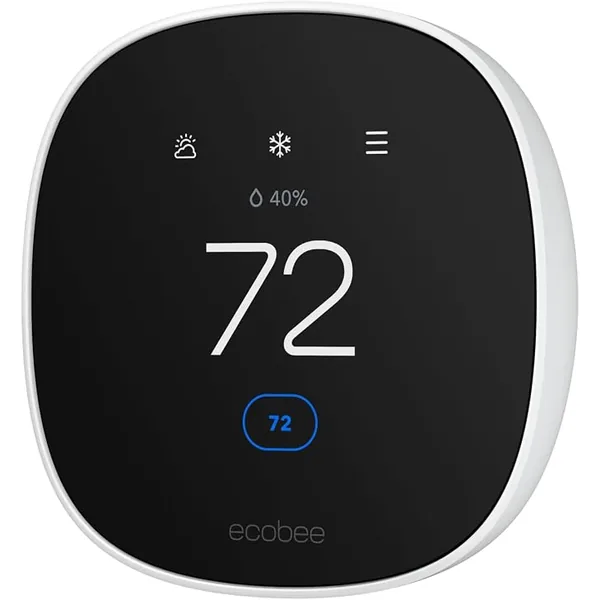
ecobee Smart Thermostat Essential
Entry-level ecobee with a color touchscreen. ENERGY STAR certified; works with Alexa, Google and HomeKit.
View on Amazon
Google Nest Learning Thermostat (3rd gen)
Builds a schedule from your manual adjustments. Controlled from the Google Home app.
View on Amazon