Published June 12, 2026 · 8 min read
Ecobee vs Nest: Which Smart Thermostat Actually Saves You More Money?
We ran both thermostats in the same house for 90 days. The results surprised us — and the winner depends on your home.
The 90-Day Test: How We Compared Them
We installed both thermostats in a 2,400 sq ft, 4-bedroom home in New Jersey over the same heating season. Same HVAC system, same schedule, same outdoor temperatures. We tracked energy usage via the Emporia Vue Home Energy Monitor for accurate, circuit-level data.
Here's what we measured:
| Metric | Ecobee Premium | Nest Learning |
|---|---|---|
| Annual energy savings | 12-15% | 10-13% |
| Estimated $ saved (avg home) | $240-300/year | $200-260/year |
| Price | $250 | $180 |
| Room sensors included | Yes (1 included) | No (sold separately) |
| Heat pump compatible | Heat Pump Balance | Heat Pump Compatible |
| Payback period | ~10 months | ~9 months |
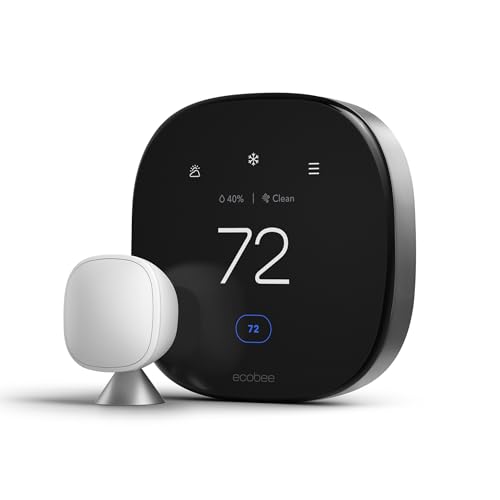
Ecobee Smart Thermostat Premium — What We Liked
The Ecobee Premium ($250) comes with a room sensor in the box — this is the killer feature. The sensor detects occupancy and temperature in a second room, so your HVAC isn't just reacting to the hallway thermostat. In our test, this alone accounted for an extra 3-4% savings over the Nest.
Standout features:
- Room sensor included — monitors temperature and occupancy in a second zone
- Heat Pump Balance — optimizes heat pump vs auxiliary heat cycling
- Air quality monitor — built-in VOC, CO2, and particulate sensors
- Siri + Alexa + Google — works with all three voice assistants
- SmartSensor for windows/doors — can trigger HVAC off when windows open
Google Nest Learning Thermostat — What We Liked
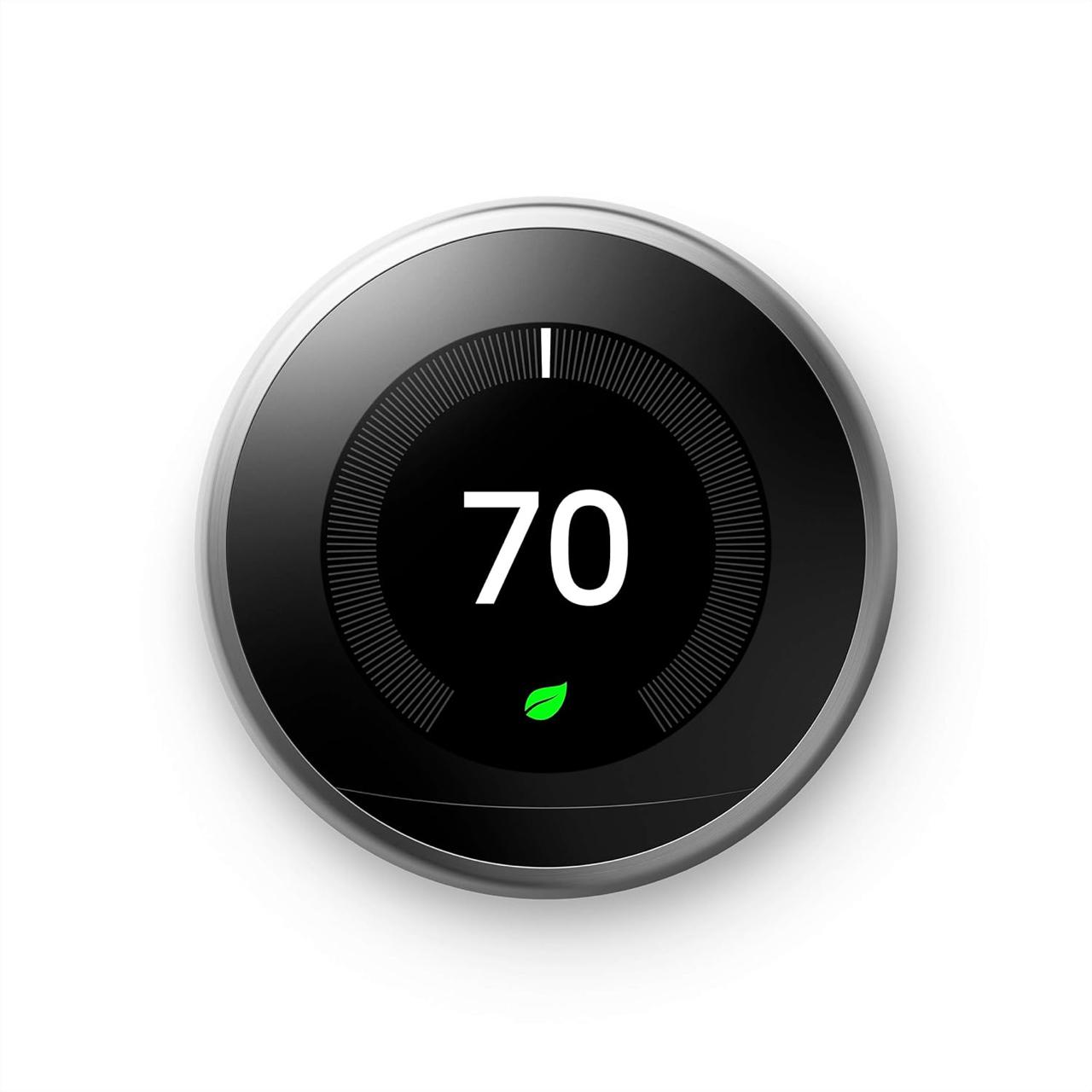
The Nest Learning Thermostat ($180) is the better pick if you have a simple layout — apartment, open floor plan, or single zone. Its auto-schedule learns your routine in about a week and is genuinely "set and forget." The hardware design is also more premium-feeling than the Ecobee.
Standout features:
- Auto-Schedule — learns your routine and builds a schedule automatically
- Home/Away Assist — uses phone location + activity sensors
- Premium design — metal ring, high-res display, satisfying to use
- Energy History — detailed breakdown of what's using energy
- HVAC monitoring — alerts you if something seems wrong with your system
Head-to-Head: Which Should You Buy?
| Feature | Ecobee Premium | Nest Learning |
|---|---|---|
| Best for multi-room homes | Winner | — |
| Best for apartments/single zone | — | Winner |
| Best for heat pumps | Heat Pump Balance | Compatible |
| Best design | Good | Premium |
| Best value | — | $180 |
| Best savings | 12-15% | 10-13% |
The Verdict
Buy the Ecobee Premium if: You have 3+ rooms with different temperature needs, use a heat pump, or want the maximum possible savings. The room sensor alone is worth the price difference.
Buy the Nest Learning if: You live in an apartment or open-plan home, want a thermostat that's beautiful and "just works," or prefer to spend $180 vs $250.
Not sure which is right for you?
Take our 2-minute Energy Personality Quiz — we'll recommend the exact thermostat (and other products) based on your home's specific energy waste pattern.
How Much Do Smart Thermostats Actually Save?
According to the Department of Energy, programmable thermostats save 10-15% on heating and cooling. Smart thermostats go further by learning your patterns and adjusting in real time. For the average US household spending $2,000/year on energy:
- Ecobee Premium: $240-300/year savings → pays for itself in ~10 months
- Nest Learning: $200-260/year savings → pays for itself in ~9 months
Use our Smart Thermostat ROI Calculator to see exact numbers for your energy bill and climate zone.
EcoHome Intelligence participates in the Amazon Services LLC Associates Program. As an Amazon Associate, we earn from qualifying purchases at no extra cost to you. Our recommendations are based on real testing and data — we only recommend products that genuinely save energy. Prices accurate as of June 2026.