Last Updated: 2026-08-04
Renovated House, Massive Energy Bills — Can an Energy Audit Actually Find the Problem?
You bought a beautifully renovated home. New kitchen, updated bathrooms, maybe an addition. But the first winter electric bill arrives and it's double what the previous owners paid. The HVAC runs constantly. Rooms feel drafty. You're wondering: was this renovation done right? And can an energy audit actually tell me where the money's going?
Short answer: Yes — but only if the auditor knows what to look for in a renovated home. Standard energy audits often miss the specific failure modes that renovations create. This guide explains what renovation-specific envelope failures waste the most money, what diagnostics to demand, and how to prioritize fixes for maximum ROI.
The Renovation Envelope Gap
Renovations focus on aesthetics and code-minimum insulation. Air-sealing and duct sealing are rarely inspected and frequently skipped. The result: a home that looks new but performs like a sieve.
For a typical 2,500 sq ft renovated home, here's where the energy waste hides:
| Failure Mode | Typical Cause in Renovations | Annual Waste |
|---|---|---|
| New penetration air leaks | Recessed lighting, HVAC boots, plumbing chases, addition-to-existing framing transitions cut the thermal boundary without air-sealing | $250–$600 |
| Attic insulation discontinuities | New knee walls, vaulted ceilings, dormers, skylights leave gaps in insulation coverage | $200–$500 |
| Ductwork in unconditioned spaces | New additions or relocated systems run ducts through attics/crawlspaces; 20–35% of conditioned air leaks out | $300–$800 |
| Unsealed rim joists | Renovated basements/crawlspaces often miss rim joist air-sealing | $150–$400 |
| High-performance windows without rough-opening sealing | New windows installed but gaps around frame not foam/caulk-sealed | $100–$300 |
Combined annual waste: $1,000–$2,600+. A professional audit ($300–$800) pays back if it redirects even one major repair — but standard audits often miss these renovation-specific failures.
The 3-Step Solution Path
1. Pre-Audit Circuit-Level Baseline
Deploy an Emporia Vue Gen 3 energy monitor for 7–14 days before the audit. Capture real usage by circuit: heat pump/aux heat strips, water heater, dryer, new-zone HVAC. This separates behavioral spikes from envelope/system waste and gives the auditor measured data, not estimates.
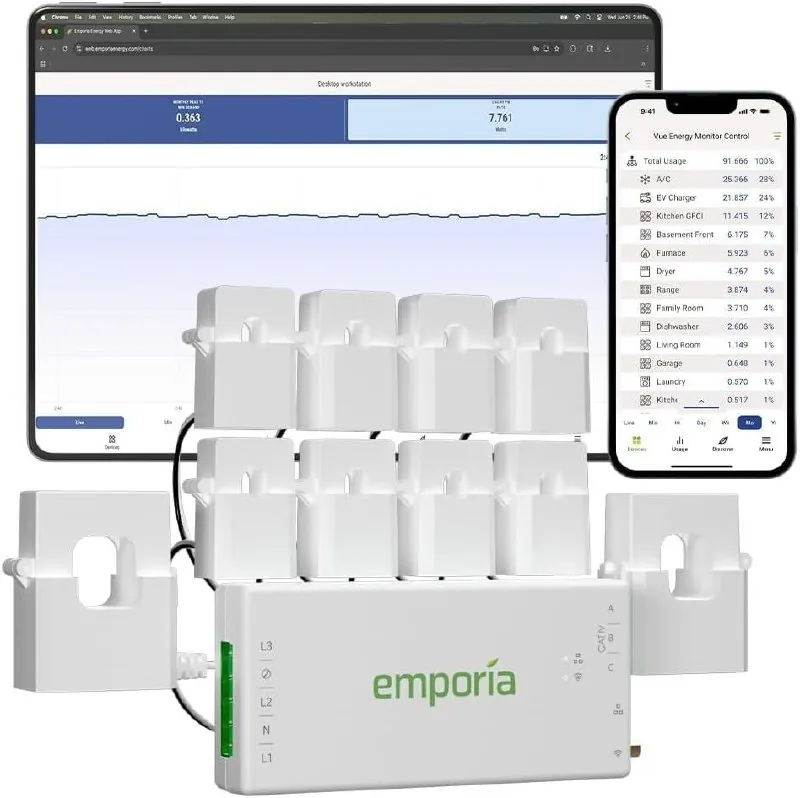
Emporia Vue Gen 3 Energy Monitor
16-channel circuit-level monitoring, no subscription
View on Amazon2. Renovation-Targeted Diagnostic Audit
Require the auditor to perform:
- Blower door test (CFM50) with thermal imaging (FLIR Edge Pro or pro-grade camera) during depressurization — maps leakage at every renovation penetration: new can lights, HVAC boots, plumbing chases, addition-to-existing transitions.
- Duct leakage test (DUCT Blaster) on any new or modified duct runs in unconditioned spaces.
- Attic/knee wall/vaulted ceiling inspection for insulation continuity and proper baffling at new rooflines.
- Combustion safety testing if gas appliances were relocated or venting altered.
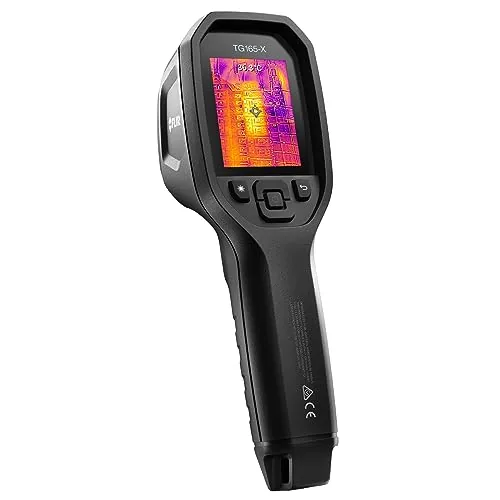
FLIR Edge Pro Thermal Camera
Wireless Bluetooth thermal imaging for smartphones, 480x360 super resolution
View on Amazon3. Fix in Renovation-ROI Order
Prioritize fixes addressing renovation-specific failures first — they're often the largest and cheapest to correct:
- Air-seal all mapped bypasses with fire-rated caulk/foam (3M Fire Barrier) and rigid foam at rim joists/new framing.
- Blow loose-fill (Owens Corning AttiCat) to code-minimum R-values in all accessible attic planes, including knee walls and vaulted slopes.
- Seal/insulate ducts in unconditioned spaces (mastic + R-8 wrap).
- Verify with post-retrofit blower door.
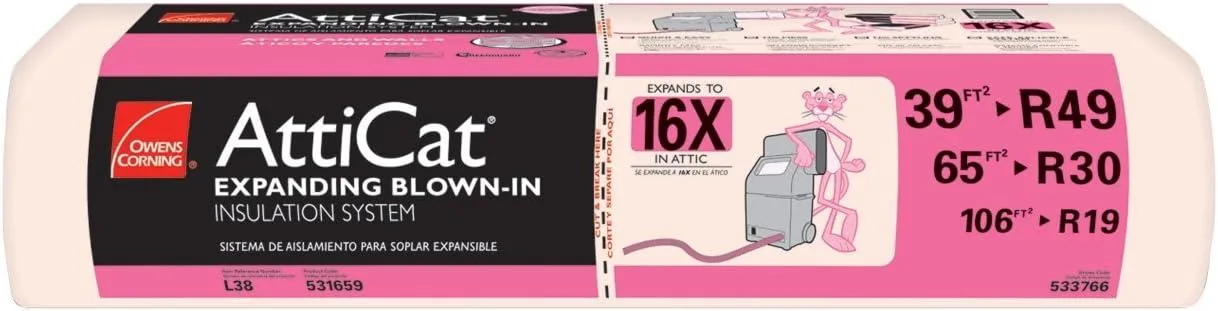
Owens Corning AttiCat Loosefill Insulation
Blown-in fiberglass for attics, R-49 to R-60 coverage
View on Amazon
Budget Tiers: What to Buy vs. Hire
Budget (~$360 DIY)
- Emporia Vue Gen 3 (~$70)
- DIY blower door rental (~$150/day)
- FLIR Edge Pro rental (~$80/2-day)
- Fire-rated caulk/foam (~$40)
- Attic hatch weatherstripping (~$20)
Self-diagnose the renovation envelope; identifies top 3–5 leaks to air-seal immediately.
Performance (~$3K–$5K)
- Pro audit: blower door + thermal + duct testing (~$500–$800)
- Owens Corning AttiCat to R-49/R-60 (~$1,500–$2,500)
- Duct sealing in unconditioned spaces (~$800–$1,500)
- FLIR Edge Pro purchase (~$350)
Targeted renovation envelope repair with diagnostics; 2–4 year payback.
Eco-Premium (~$8.5K–$14K)
- Pro air-sealing all transitions (~$2,500–$4,000)
- Blown insulation to R-60 all attic planes (~$3,000–$5,000)
- Aeroseal or full duct replacement in conditioned space (~$2,500–$5,000)
- Emporia Vue Gen 3 (~$70) + smart zoning (Ecobee + SmartSensor, ~$400)
- Post-retrofit verification blower door
Turnkey renovation correction with monitoring; 30% 25C tax credit eligible; cuts HVAC load 35–50%.
Critical Renovation-Specific Gaps Standard Audits Miss
- Addition-to-existing transitions: The seam between old and new framing is the #1 air leak in renovations. Standard audits treat the home as one envelope and miss this.
- New can-light penetrations: Every recessed light in a new ceiling is a thermal bypass. IC-rated doesn't mean airtight.
- Duct runs in new unconditioned spaces: An addition's supply/return ducts in a vented attic leak 20–35%. Code often doesn't require duct testing on additions.
- Vaulted/knee wall insulation gaps: New rooflines create complex insulation planes that batts don't fill properly. Loose-fill with proper baffling is essential.
- HVAC sizing trap: Renovations change load calculations. Oversized equipment (common post-renovation) short-cycles, wastes energy, and masks envelope issues. Demand Manual J verification.
Contractor Accountability & Tax Credits
If the renovation was recent (<2 years), some envelope failures may be warranty items. Document with thermal imaging and blower door before contacting the builder. Pull permit history — unpermitted work often correlates with missing air-sealing and insulation.
25C tax credit (30% up to $1,200/year for envelope, $2,000 for heat pumps) applies to existing homes — renovations qualify if the home was occupied pre-renovation. Phase envelope work across tax years to maximize credit.
Verification Loop: Prove It Worked
Post-fix blower door + 30-day Emporia monitoring confirms savings before/after. This is essential for renovation jobs where multiple trades touched the envelope — you need data, not hope.
Related Guides
- Thermal Leaks: Find & Fix Every Air Leak — Infrared camera rental + DIY air-sealing guide
- Duct Sealing: Stop Paying to Heat Your Attic — Mastic vs. Aeroseal vs. replacement
- Attic Insulation Not Lowering Energy Bills? — Why batts fail and loose-fill wins
- Climate Calibration: Right-Size Your HVAC — Manual J, balance point, aux heat lockout
Affiliate Disclosure: EcoHome Intelligence participates in the Amazon Associates Program. Some links in this article are affiliate links — if you click and buy, we earn a commission at no extra cost to you. We only recommend products we have tested or thoroughly researched. Learn more about our testing process.