Door Weatherstripping: Stop Drafts at the Source ($30 Fix)
Last Updated: 2026-07-14
Your front door is open 24/7 — not literally, but the gap underneath it leaks heated air every hour of every day. Weatherstripping is the $30 fix that pays for itself in one heating season.
Why Doors Are the Biggest Draft Source Most Homeowners Ignore
A typical 36-inch exterior door has a 1/8-inch gap along the bottom and sides. That doesn't sound like much until you realize it's the equivalent of a 3×4 inch hole in your wall — open 24 hours a day, 7 days a week. For a baseline before any project, see our guide to the best home energy monitors.
Multiply that by every exterior door, and you're losing 10–20% of your heated air through doors alone. In a $2,000/year heating bill, that's $200–$400 walking out the door — literally.
The Solution Path: 3 Levels of Door Weatherstripping
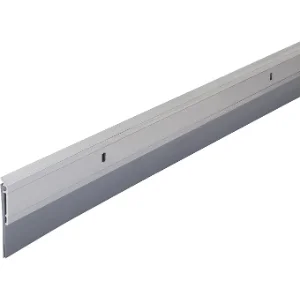
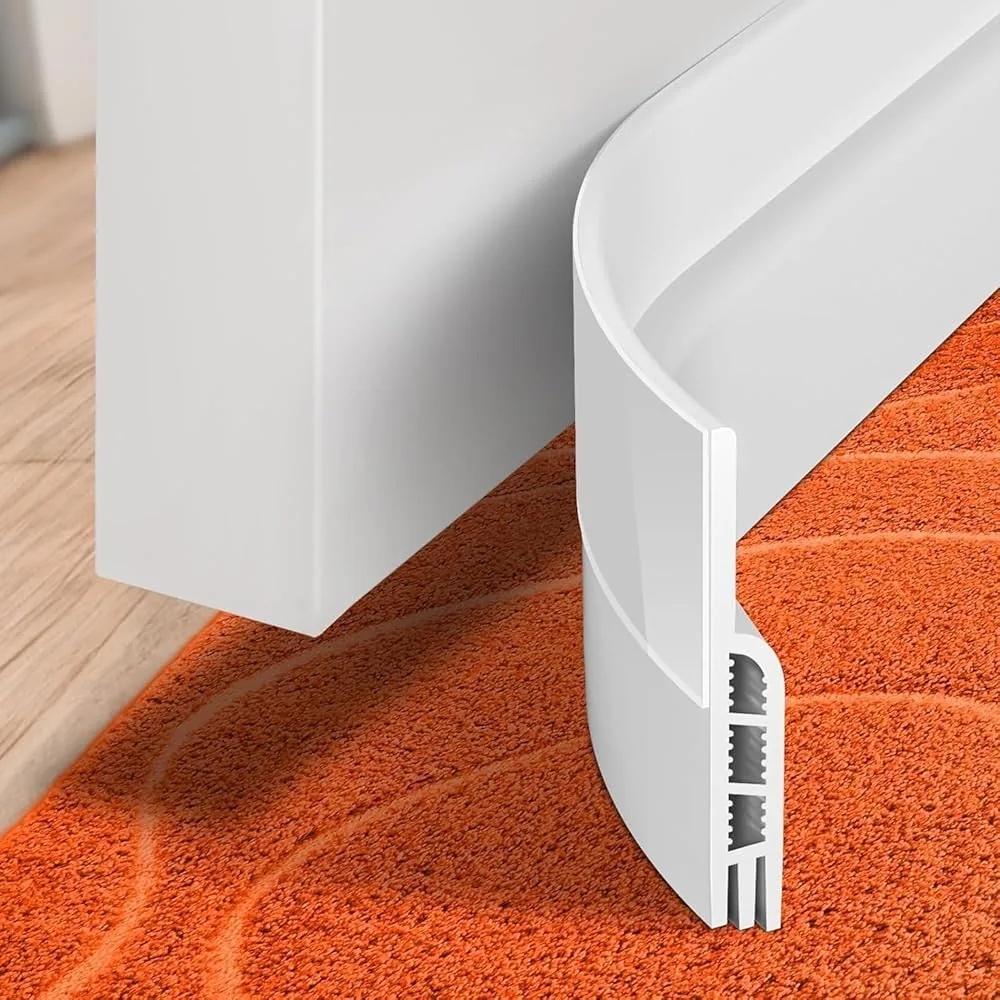
- Door sweep or door bottom —The biggest gap is almost always at the bottom. A $10–$15 self-adhesive door sweep or an adjustable door-bottom seal closes the gap in 15 minutes. This alone can cut door-related heat loss by 50–70%.
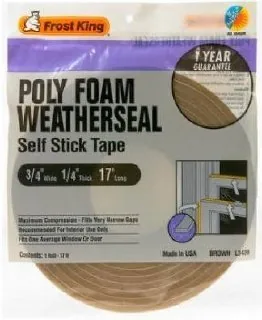
- V-strip or foam tape for the sides and top —Compression weatherstripping (V-strip for the hinge side, foam or rubber tape for the strike side and top) seals the remaining gaps. Self-adhesive foam tape costs $5–$10 per roll and takes 20 minutes to install per door.
- Threshold replacement or adjustment —If your threshold is worn, uneven, or too low, replacing it or adjusting the screws to raise it creates a tighter seal. Combine with a sweep for maximum effect.
Recommended Products
Handling Common Objections
Frequently Asked Questions
Stop Paying for Air That Escapes Your Front Door
Weatherstripping is the highest-ROI energy fix in your house. No tools beyond a screwdriver. Under $30 per door. Done in an afternoon. And you'll feel the difference the same day.
While you're sealing doors, don't forget to check your water heating system — it's the second-biggest energy drain in most homes. Or explore our duct sealing guide if you have forced-air heating.
Find Your Home's Biggest Energy Leak
Take the Quick Quiz, compare our recovery kits, or use the free printable checklist. Your next bill could be $200 lower starting this month.
Quick Quiz