Ductwork Deep Dive: The Hidden System Losing You 30% of Every Dollar
Last Updated: 2026-07-14
Your ducts run through your attic, crawl space, and walls — and they're leaking heated air into places you'll never see. Duct sealing is the $200–$500 fix that most homeowners never think about.
Why Duct Leaks Are So Expensive
The Department of Energy estimates that 25–40% of heated air is lost through leaks, holes, and poorly connected ducts. In a $2,000/year heating bill, that's $500–$800/year going nowhere useful. For a baseline before any project, see our guide to the best home energy monitors.
Worse: when ducts leak in your attic (negative pressure), they also suck cold attic air back into the system, making your furnace work even harder. It's a double penalty.
Where Leaks Hide
Most duct leaks happen at connections and joints, not in straight runs. The most common culprits:
The Solution Path: 3 Levels of Duct Sealing
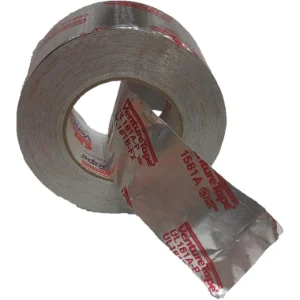
- DIY with mastic and mesh —Accessible joints in the attic can be sealed with mastic sealant and fiberglass mesh. Costs $30–$50 in materials. Focus on plenum connections, take-offs, and any visible gaps. Takes 3–4 hours for a typical attic.
- Aeroseal (professional duct sealing) —A technician injects sealant particles into the pressurized duct system. They seal leaks from the inside — even ones you can't reach. Costs $300–$500. Reduces duct leakage by 80–90%. Lasts 10+ years.
- Duct replacement + insulation —If ducts are old, damaged, or uninsulated in unconditioned spaces, replacement ($2,000–$5,000) may be worth it. New insulated flex-duct in the attic eliminates both leakage and heat loss.
Recommended Products

Handling Common Objections
Frequently Asked Questions
Stop Heating Your Attic
Duct leaks are the silent energy drain — you never see them, but you pay for them every month. Start with a visual inspection of accessible joints, seal what you can, and consider Aeroseal for the rest.
Want a complete picture? Read our duct sealing solution page for the full system approach, or check your water heating — the other major hidden energy drain.
Find Your Home's Duct Leaks
Take the Quick Quiz, compare our recovery kits, or use the free printable checklist. Your attic is telling you where the money is going.
Quick Quiz