Home Energy Storage: Batteries, Thermal Storage, and Peak Shaving
Last Updated: 2026-07-14
You pay more for electricity between 4pm and 9pm. Energy storage lets you buy cheap power at night and use it when rates spike. Here are the 3 strategies that actually save money.
Why Time-of-Use Rates Change Everything
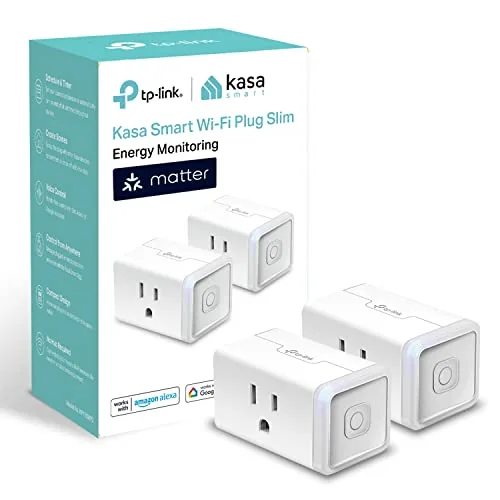
Most utilities have shifted to time-of-use (TOU) pricing. Off-peak rates might be $0.10/kWh while peak rates hit $0.40–$0.55/kWh. That's a 4–5× difference for the same electron. For a baseline before any project, see our guide to the best home energy monitors.
Without storage, you're stuck buying at peak prices. With storage, you charge cheap, discharge expensive — and the spread is pure savings.
The 3 Storage Strategies
- Battery storage (Tesla Powerwall, Enphase IQ) —Stores 10–13.5 kWh of electricity. Covers 1–2 essential circuits during peak hours, or whole-home for 4–8 hours. Costs $8,000–$15,000 installed. Payback: 7–12 years (or 3–5 with solar).
- Thermal storage (ice storage, hot water tanks) —Make ice or heat water at night (cheap power), then use it for cooling/heating during the day. An ice storage system costs $2,000–$5,000 and cuts peak cooling costs by 30–50%. A timed water heater does the same for $0 (just schedule it).
- Behavioral peak shifting (free) —Run the dishwasher, dryer, and EV charger after 9pm or before 7am. Shift HVAC pre-cooling/pre-heating to off-peak hours. Zero cost, 10–20% bill reduction. This is the gateway strategy.
Recommended Products
Handling Common Objections
Frequently Asked Questions
Start With Free, Upgrade When It Pays
Don't start with a $12,000 battery. Start with behavioral shifting (free), then a timed water heater ($50–$300), then consider batteries when the math works. Each step builds on the last.
Want to see the full picture? Read our vampire power guide for the other side of the energy equation — devices that waste power 24/7 even when "off."
Find Your Peak-Hour Savings
Take the Quick Quiz, compare our recovery kits, or use the free printable checklist. Your utility bill is telling you where to start.
Quick Quiz