HVAC + Air Sealing · Updated June 2026 · 9 min read · EcoHome Intelligence
Drafty Basement Driving Up Your Energy Bill? Find and Seal Air Leaks
If your basement feels cold in winter and your heating bill keeps climbing, the basement itself is probably the biggest air leak in your house. A typical Midwest home loses 10 to 30 percent of its conditioned air through unsealed rim joists, drafty basement windows, and a poorly fitted exterior door. The fix is a Saturday afternoon project that costs under $50 in materials and pays back in the first winter.
How Much a Drafty Basement Really Costs You
Most homeowners blame the upstairs when the bill climbs. The basement is the more likely culprit. In a typical 2,000 sq ft home, the rim joist (the wood band where the basement wall meets the floor frame above) runs the full perimeter and is almost always unsealed in homes built before 2010. Add in a leaky basement window, a drafty exterior basement door, and gaps around pipes and wires, and you have a chimney effect pulling cold outdoor air in at the foundation and forcing your furnace or heat pump to run 20 to 30 percent longer to keep the upstairs at temperature. For a baseline before any project, see our 30-day test of the best home energy monitors.
On a typical Duke Energy or AEP bill in Ohio, that translates to $40 to $120 of extra electricity or gas per month, or $480 to $1,440 per year, depending on how leaky the basement is and how cold the winter gets. In a Cincinnati two-story from the 1970s, the rim joist alone is often responsible for the majority of that loss.
Why Closing the Basement Door Makes It Worse
The stack effect in your home never stops. Warm air rises and escapes through the upper floors and attic. That negative pressure has to be made up somewhere, and the easiest path is the basement. When you close the basement door, you force that make-up air to come through smaller and smaller gaps. The pressure differential across the rim joist gets stronger, which means more cold air pulled in per square inch of gap. That is why bills sometimes climb after a homeowner "seals off" the basement with a closed door instead of sealing the actual leaks.
The fix is at the source: stop the air from entering through the rim joist, the windows, and the door. Then the upstairs thermostat can settle at its real setpoint and the system stops compensating.
Step 1: Find the Worst Leaks in One Hour
You do not need a thermal camera to find basement air leaks. The incense test costs about $5 and works on any home.
- Pick the right day. A cold, windy day with the outdoor temperature at least 20 degrees below your indoor temperature. The bigger the differential, the easier it is to see leaks.
- Pressurize the house. Close all windows and exterior doors upstairs and downstairs. Turn on every exhaust fan: bathroom fans, kitchen range hood, and the dryer if it vents outside. This exaggerates the stack effect and makes leaks easier to spot.
- Light the incense. Hold a lit stick or thin taper about an inch off the wall and walk the perimeter of the basement at a slow pace.
- Map the leaks. Where the smoke wavers, drifts, or gets pulled in a clear direction, mark it with a piece of masking tape. Repeat along the rim joist, around every basement window, at every pipe or wire penetration, and along the bottom of any exterior basement door.
In a typical leaky basement you will find 8 to 20 separate leak zones. The single biggest one is almost always the rim joist where the wood frame meets the concrete wall.
Step 2: Seal the Big Leaks for Under $50
Materials run about $30 to $50 at any hardware store. The order matters: seal the perimeter and penetrations first, then the windows, then the door.
2a. Rim joist and sill plate (the highest-ROI fix)
The rim joist is the band of wood that sits on top of the concrete foundation wall and supports the floor joists above. In homes built before 2010 it is rarely sealed.
- For small gaps under 1/4 inch, use latex acoustic sealant (such as acoustic sealant) applied with a standard caulk gun.
- For larger voids around pipes, wires, and where the sill plate meets the foundation, use low-expansion spray foam (such as low-expansion spray foam). Never use high-expansion foam in a rim joist cavity; it can bow the framing.
- For rim joist insulation, cut rigid foam board (such as rigid foam board) to fit the cavity, seal the edges with acoustic sealant, and tape the seams with foil tape.
2b. Basement windows
Old single-pane basement windows are notorious air leaks. Three options, in order of permanence:
- Indoor shrink-film window kit (about $10 per window, removable, renter-friendly). Apply in fall, peel off in spring.
- Caulk cord or putty rope (about $5 per roll). Press into the window frame gaps where the sash meets the frame.
- Full replacement with an ENERGY STAR vinyl window (about $300 installed). Worth it only if the existing window is also cracked or fogged.
2c. Exterior basement door
If your basement has an exterior entry door, it is almost always the second-biggest leak after the rim joist.
- Install a door sweep on the bottom (about $10).
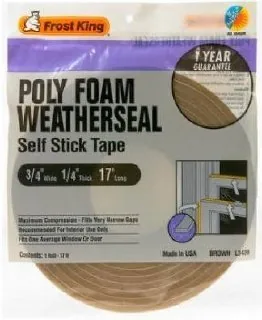
- Add V-channel or compression weatherstripping along the sides and top (about $8).
- If the door is metal and visibly rusted or warped, replacement with an insulated exterior door typically pays back in 3 to 5 years.
When the Basement Is Not the Problem
If you walk the basement with incense and find no significant leaks, the bill is coming from somewhere else. Three common alternatives:
- Attic air leaks (see the attic insulation guide): recessed lights, attic hatches, and bathroom fan penetrations are the most common upper-floor air leaks.
- A degrading appliance (see the silent-doubling guide): a water heater or refrigerator with a failing component can add 200 to 500 kWh per month.
- Utility rate creep (see the 2026 rate-hike survival plan): if your kWh is flat and your bill is climbing, the cause is on the rate side.
When to Call a Professional
The DIY approach handles 80 percent of basement air leaks. Call a home energy auditor if any of these apply:
- You sealed the obvious leaks and your bill still did not drop within one billing cycle.
- Your basement shows signs of water intrusion or visible mold on the rim joist. Air sealing a wet rim joist without fixing the moisture first traps water and grows mold.
- You have a finished basement with drywall covering the rim joist. An auditor can use a blower door test to find hidden leaks without ripping out walls.
Frequently Asked Questions
How much does a drafty basement actually add to my energy bill?
A leaky basement with unsealed rim joists, window gaps, and exterior door drafts can add 10 to 30 percent to your heating and cooling bill. On a typical 2,000 sq ft Midwest home, that is $40 to $120 per month, or $480 to $1,440 per year, depending on local utility rates.
Can I just close the basement door to fix a drafty basement?
Closing interior doors often makes things worse. The stack effect in your home pulls cold outdoor air in through the basement and exhausts warm air out through the upper floors. Closing the basement door concentrates the cold-air inrush through whatever gaps remain, which usually drives the bill up further instead of down.
What is the fastest way to find basement air leaks?
On a cold, windy day, close all windows and exterior doors upstairs and downstairs. Turn on every exhaust fan you have (bathroom, kitchen, dryer). Then hold a lit incense stick along the rim joist, around basement windows, and at every penetration where a pipe or wire enters the basement. Where the smoke wavers, you have found an air leak.
Should I insulate the basement walls or just seal the rim joists?
Start with air sealing and rim joist insulation. That gives the fastest payback, often under 2 years for under $100 of materials. Full basement wall insulation helps but is a much bigger project and only matters once the major air leaks are stopped.
Can renters fix basement air leaks without losing their deposit?
Yes. Use removable options only: caulk cord or putty rope for window frame gaps, removable weatherstripping on exterior doors, and indoor plastic shrink-film window kits. These all peel off cleanly at move-out, cost $15 to $25 total, and typically pay back in the first month of bill savings.
Walk the rest of your thermal leaks
Once the basement is sealed, use these direct paths to chase the next big leak in the home, or get a paid plan that prioritizes every fix for your specific home.
Thermal leaks hub
See the full air-sealing playbook: attic, rim joist, windows, doors, recessed lights.
Attic insulation ROI
Once the basement is sealed, the attic is usually the next leak. Compare insulation levels and payback.
Walk the full checklist
Room-by-room checklist to find the next silent load or thermal leak before the next bill cycle.
Order the $10 audit report
Get a personalized, payback-first fix order based on your actual usage and home profile.


Disclosure: EcoHome Intelligence participates in the Amazon Services LLC Associates Program. We earn from qualifying purchases. Product recommendations are based on testing patterns and U.S. Department of Energy standards.