DIY Detective Story · Updated June 2026 · 8 min read · EcoHome Intelligence
Why Your Electric Bill Doubled in Two Years (Even Though Nothing Changed)
You did not add a hot tub, you did not buy an EV, and your habits are the same. Yet your monthly bill has crept from $150 to over $300 in two years. This is the silent doubling, and it has two causes that hide inside the same bill: compounding rate increases and slowly degrading appliances.
The Silent Doubling: Two Culprits Hiding in the Same Bill
Most homeowners only look at the dollar total on their electric bill. That single number is the product of two completely separate things:
- How much electricity you used (measured in kWh)
- How much your utility charges per kWh (measured in cents per kWh)
If you want to know why your bill doubled, you have to look at both numbers separately. A typical U.S. residential rate climbs 4 to 8 percent per year, which alone takes a $150 bill to about $200 in two years. Layer in a degrading appliance that quietly adds 200 extra kWh per month, and the same $150 bill jumps to $260 to $340. None of those changes require you to do anything different. That is the silent doubling.
Step 1: Separate Rate Creep From Usage Creep
Pull your last 24 months of bills. Most utilities let you download 24 months of usage from your online account as a CSV. Open the file and you will see three columns that matter:
- Bill date
- kWh used
- Amount charged
Add a fourth column: cents per kWh. Divide the dollar amount by kWh used for each month.
Now scan the results:
- If kWh is roughly flat but the cents per kWh is rising: Your utility is charging you more for the same electricity. The fix is rate shopping, TOU plan analysis, or switching suppliers if your state allows it.
- If both kWh and cents per kWh are climbing: You have both rate creep and a degrading appliance eating more electricity. The biggest lever is finding the appliance.
- If kWh is climbing but cents per kWh is flat or falling: You almost certainly have a silent energy hog. Skip straight to Step 2.
This single 30-minute analysis will tell you 80 percent of what you need to know.
Step 2: Audit the Big Five Energy Hogs
Once you know whether kWh is climbing, hunt down the source. Five appliances cause roughly 80 percent of all residential electric bills, and they fail in predictable ways:
1. Electric water heater (usually 18 to 30 percent of the bill)
A water heater with heavy sediment buildup, a failing lower heating element, or a stuck thermostat can quietly add 200 to 500 kWh per month without any change in shower time. Symptoms: the tank makes rumbling or popping sounds, hot water runs out faster, or recovery time after a long shower is much longer than it used to be. The fix in the short term is a full flush and anode rod inspection ($0 to $30). The fix in the long term is a heat-pump water heater, which uses 60 to 70 percent less electricity than a resistance unit.
2. Refrigerator (usually 8 to 14 percent of the bill)
A refrigerator older than 10 years, with a failing compressor or clogged condenser coils, can use two to three times as much electricity as a new ENERGY STAR unit. Symptoms: the back of the fridge feels hot, the motor runs almost continuously, or food in the back is freezing. Maintenance: vacuum the condenser coils (usually under or behind the unit) and clean the door gaskets. If the fridge is pre-2010, replacement often pays for itself in 3 to 5 years.
3. HVAC system (usually 35 to 50 percent of the bill)
An HVAC system that is low on refrigerant, has a dirty evaporator coil, or has a failing capacitor will run longer and harder for the same temperature output. Symptoms: the system cycles on more often, the air from vents feels weaker, or your home takes noticeably longer to cool in summer. A 90-minute HVAC tune-up ($80 to $150) typically recovers 10 to 20 percent of lost efficiency.
4. Electric dryer (usually 3 to 6 percent of the bill)
A dryer with a clogged lint path or failing heating element can run for two or three cycles to dry one load. Clean the lint path end to end (including the outside vent hood) and check that the flexible hose is not crushed behind the unit.
5. Pool pump, well pump, or hot tub (variable, often 5 to 20 percent)
If you have any of these, they are usually the first place to look for a sudden doubling. Pool pumps with failing bearings draw more current. Old single-speed pool pumps can be replaced with variable-speed models that cut pump electricity by 50 to 70 percent.
Also check: the “creeping” loads outside the big five
If the big five check out, the growth usually comes from something that was added quietly and never removed:
- A second fridge or freezer ageing badly in the garage.
- New always-on electronics: mesh Wi-Fi, streamers, a gaming PC that never fully sleeps.
- Seasonal helpers that became permanent, such as a dehumidifier or space heater.
Good clues beat guesses: a garage fridge whose compressor never seems to stop, a dehumidifier bucket filling twice as fast as last year, or a computer fan running all night. Turn “I feel like something changed” into one measurable suspect at a time, and don’t spend a weekend chasing phone chargers while a major appliance burns the real money.
Step 3: Measure the Worst Offender
You can spot the actual culprit in one afternoon with a plug-in electricity monitor. Plug the monitor into the wall, plug the suspect appliance into the monitor, and let it run for 48 hours. The display will show real kWh draw, not the manufacturer's nameplate rating. Compare the measured number against what the appliance should be using based on its age and model. Anything more than 20 percent over the expected number means the appliance is degrading.
For whole-home visibility, a circuit-level energy monitor (installed in your breaker panel) lets you watch 8 to 16 individual circuits in real time from your phone. That is how you find silent loads without unplugging everything one at a time.
Step 4: Fix in the Right Order
Once you have the data, attack the worst ROI upgrade first:
- Free or near-free maintenance first — flush the water heater, vacuum fridge coils, replace HVAC filter, clean dryer vent. Total cost under $50. Expected savings: 10 to 20 percent of the bill.
- Cheap hardware that pays back in months — smart thermostat, LED replacements for any remaining incandescents, smart power strips for the AV stack.
- Appliance replacement last — only when the appliance is genuinely past its useful life or a heat-pump upgrade will pay back in under 5 years.
When to Call the Utility vs. Call an Auditor
If your kWh is flat and only the cents per kWh are rising, call your utility. Ask for:
- A free meter accuracy check
- The breakdown of supply vs. delivery charges on your bill
- Any budget billing or hardship programs you may qualify for
If your kWh is rising, call a home energy auditor or use a whole-home monitor yourself. Many utilities offer free or subsidized audits. If you want a paid plan that prioritizes the highest-ROI fixes in your specific home, the EcoHome Energy Audit Report walks through your bills and home profile to produce a personalized fix order.
Tools for Step 3: Measuring the Worst Offender
A plug-in meter covers anything with a plug. For hard-wired loads like a water heater, heat pump or dryer, you need a monitor in the panel.
We may earn a commission if you buy through these links, at no extra cost to you. Products are chosen on published specifications; we do not test them in-house (how we choose).
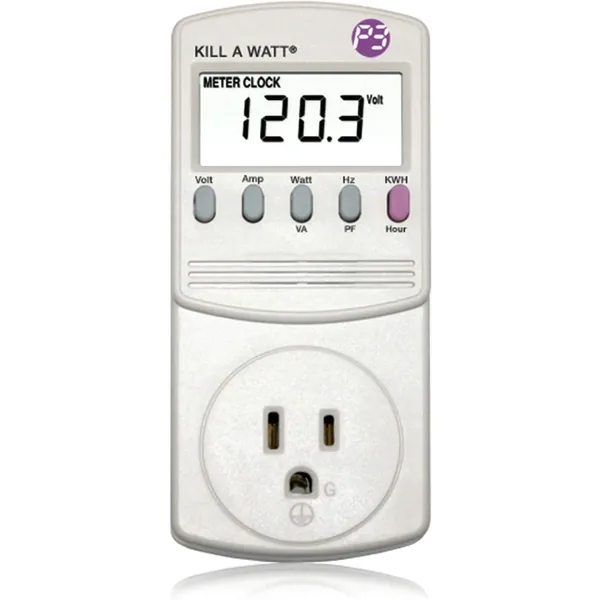
P3 Kill A Watt P4400 Electricity Usage Monitor
Plug-in meter that shows the watts and kWh of whatever is plugged into it.
View on Amazon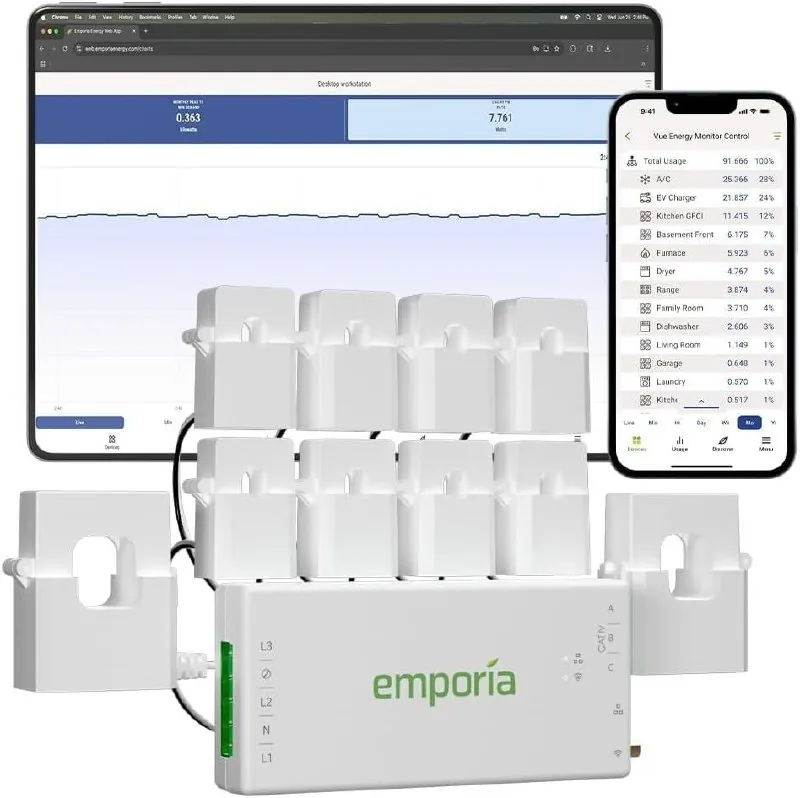
Emporia Vue 3 Energy Monitor
Installs in the electrical panel; with its circuit sensors it tracks usage breaker by breaker.
View on AmazonFrequently Asked Questions
Can my electric bill really double even if I did not change anything?
Yes. A combination of compounding utility rate increases (typically 4 to 8 percent per year) and gradual appliance efficiency loss can push a $150 monthly bill above $300 in two years without any obvious change in your habits. Separating rate creep from usage creep on the same bill is the fastest way to find the real cause.
How do I separate rate creep from usage creep on my own bill?
Pull your last 24 months of bills and look at the kWh used column, not the dollar amount. Divide the dollar amount by kWh used each month to get your effective cents per kWh. If kWh is roughly flat but dollars keep rising, the cause is rate creep. If kWh is climbing too, the cause is increased usage, usually from a degrading appliance.
What single appliance is most likely to silently double an electric bill?
An aging electric water heater is the most common silent culprit. A water heater with heavy sediment buildup or a failing lower element can run 200 to 500 extra kWh per month without any obvious change in shower habits. The second most common is a refrigerator with a failing compressor or dirty condenser coils.
Should I call my utility company if my bill doubled?
Yes. Most utilities will run a free meter accuracy check at your request. They will also tell you whether rate changes in your territory explain the increase. If usage on their end matches yours, the problem is in your home. If the meter readings look wrong, the utility absorbs the overage.
Find the silent hog in your home
Once you have separated rate creep from usage creep, these direct paths help you measure, prioritize, and act on the real source of the doubling.
Find phantom loads in 4 minutes
Use the Dead Plug Detector widget to measure the always-on draw of any outlet without buying a meter.
Kill phantom loads for good
See the smart plugs and power strips that pay for themselves in the first month of standby savings.
Walk the full audit checklist
Room-by-room checklist to find the silent load or degrading appliance before the next bill cycle.
Order the $10 audit report
Get a personalized, payback-first fix order based on your actual usage and home profile.
Disclosure: EcoHome Intelligence participates in the Amazon Services LLC Associates Program. We earn from qualifying purchases. Product recommendations are based on published manufacturer specifications and U.S. Department of Energy guidance.
