Why Your Energy Bill Doubled This Winter (And How Attic Insulation Fixes It)
Last Updated: 2026-07-14
A homeowner's step-by-step guide to finding and fixing the hidden $300–$500/year leak that's most common in older homes — before next heating season.
Why Attic Insulation Is the #1 Culprit for Winter Bill Spikes
In cold climates, heat rises — and your attic is where it goes. According to the U.S. Department of Energy, heat loss in homes flows through poorly insulated attics at alarming rates: an uninsulated or under-insulated attic can increase heating costs by 10–50%. In regions that see 2,500+ heating degree days per year (the Northeast, Midwest, upper Pacific Northwest), that means $300–$500 over a single 5-month winter. For a baseline before any project, see our 30-day test of the best home energy monitors.
The problem compounds quickly. If your attic insulation is below the recommended R-value for your climate zone — typically R-38 to R-60, but many older homes sit at R-19 or worse — every degree the thermostat drops costs exponentially more as insulation effectiveness plummets.
How to Inspect Your Attic in 10 Minutes (No Specialist Needed)
- Step 1: Do a quick attic depth inspection Pull down the attic access panel, shine a flashlight, and measure the current insulation depth with a ruler. If it's below 10–14 inches (depending on climate), you're likely under-insulated. Look for exposed joists — that means the insulation hasn't been topped off in decades.
- Step 2: Air-seal before insulating Spray-foam or caulk gaps around plumbing stacks, electrical wires, recessed lights, and the attic access hatch itself. Air sealing alone can cut 10–20% off heating and cooling costs by stopping conditioned air from escaping into unconditioned attic space.
- Step 3: Add blown-in insulation to reach R-38 minimum Rent or borrow a wall-pneumatic blower (often free with purchase) and blow cellulose or fiberglass across the attic floor, keeping soffit vents clear. Most homeowners add R-19 to R-30 over existing layers for $150–$400 in materials — a number that pays back in one winter.
Recommended Products
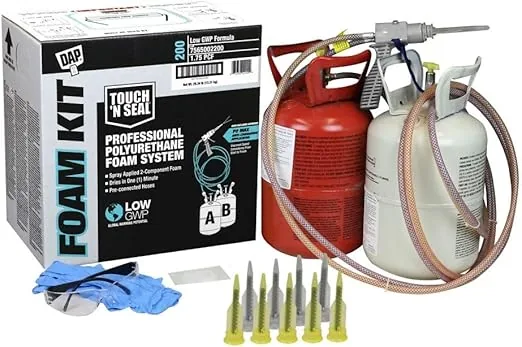
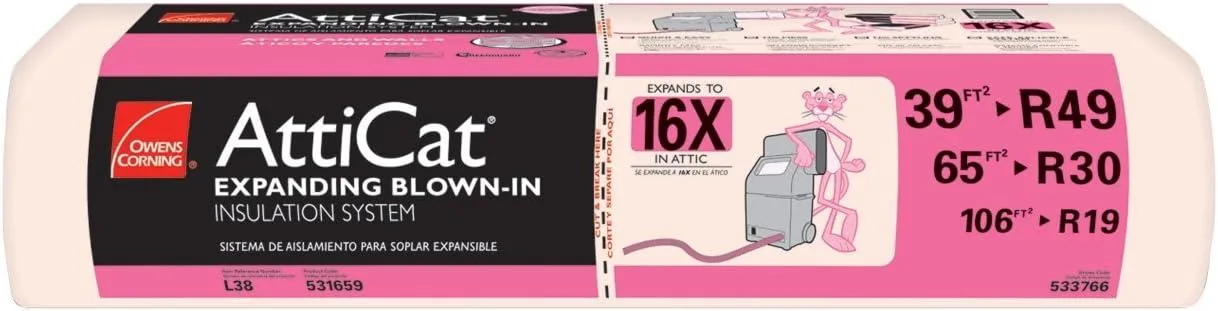
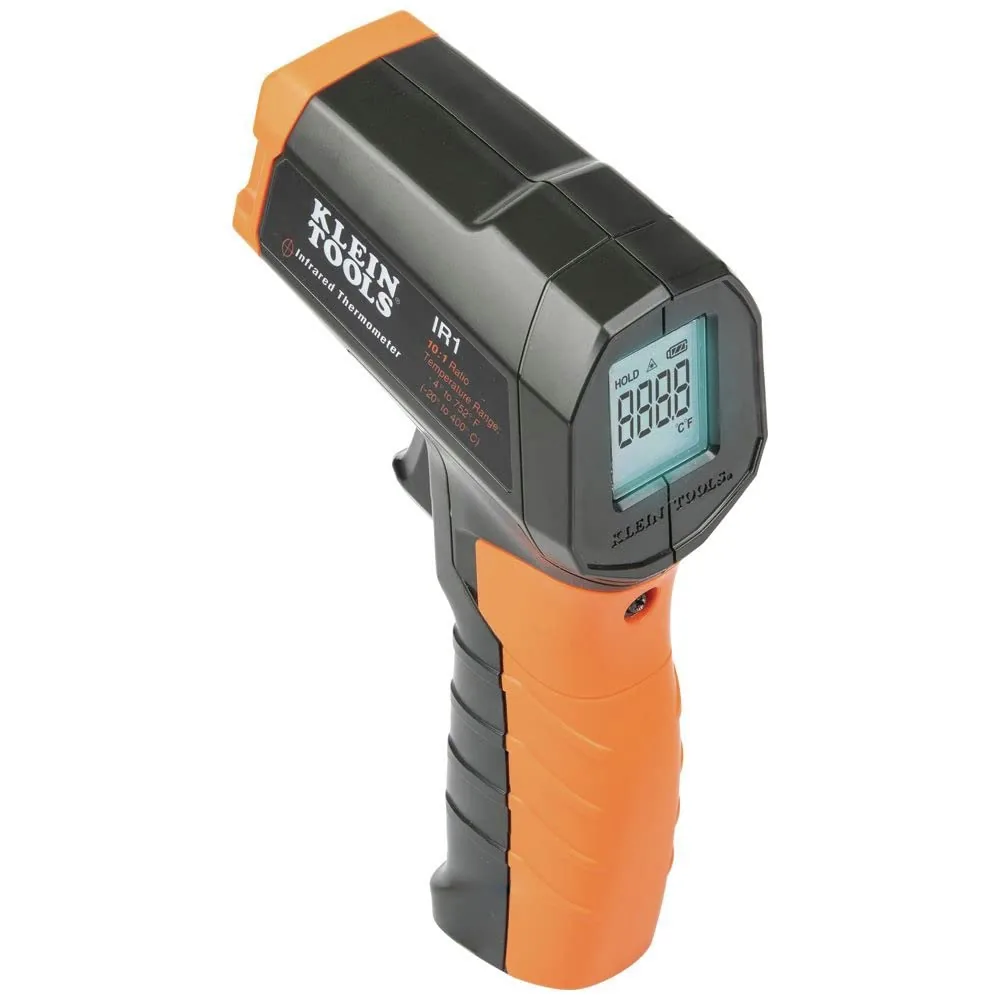
Handling Common Objections
Frequently Asked Questions
The Hidden $500 Winter Tax You Can Fix This Weekend
An under-insulated attic is the silent $300–$500 tax that repeats every winter until fixed. The good news: a weekend, a blower, and ~$200 in blown-in cellulose or fiberglass usually pays for itself in one heating season. Don't let this hidden leak carry into next winter — check your attic depth before the snow returns.
Need a Personalized Fix Plan?
Take the Quick Quiz, compare our recovery kits, or get a free downloadable checklist to walk through every room.
Wondering what a pro audit costs vs DIY? See Energy Audit Cost Guide
Quick Quiz
Certified home energy auditor & HVAC specialist
Specializing in high-ROI home energy upgrades, from thermal leaks and HVAC tuning to phantom-load detection. Our guides are grounded in U.S. Department of Energy standards and real-world household audit patterns.