Published June 2026 · EcoHome Intelligence
Free Printable Home Energy Audit Checklist
Last Updated: 2026-07-14
A 90-minute DIY system to map energy leaks and waste to specific tools. Download the full checklist plus bonus thermal leak detector guides.
In This Guide
Why You Should Audit Your Home
The average home wastes $300–$800 annually on preventable leaks, phantom loads, and inefficient equipment. Without mapping waste to specific tools, random upgrades often miss the biggest sources.
This audit takes 90 minutes and pays for itself in the first month.
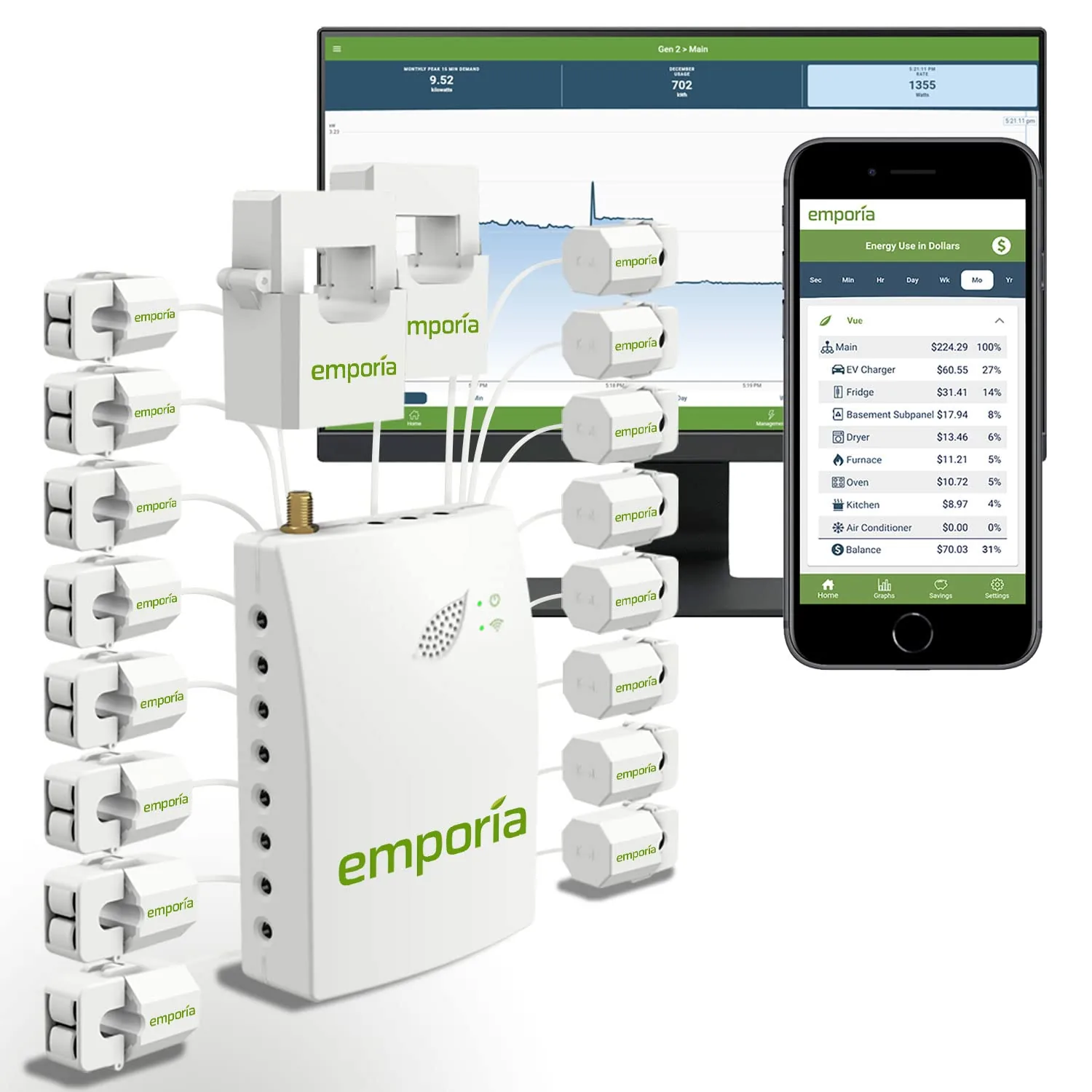
Pro Tip: Do this audit on a weekend morning with a helper. You'll catch 10 leaks in 90 minutes that save $10/month each. For a baseline before any project, see our guide to the best home energy monitors.
4-Step Audit Process
-
Thermal Leak Detection
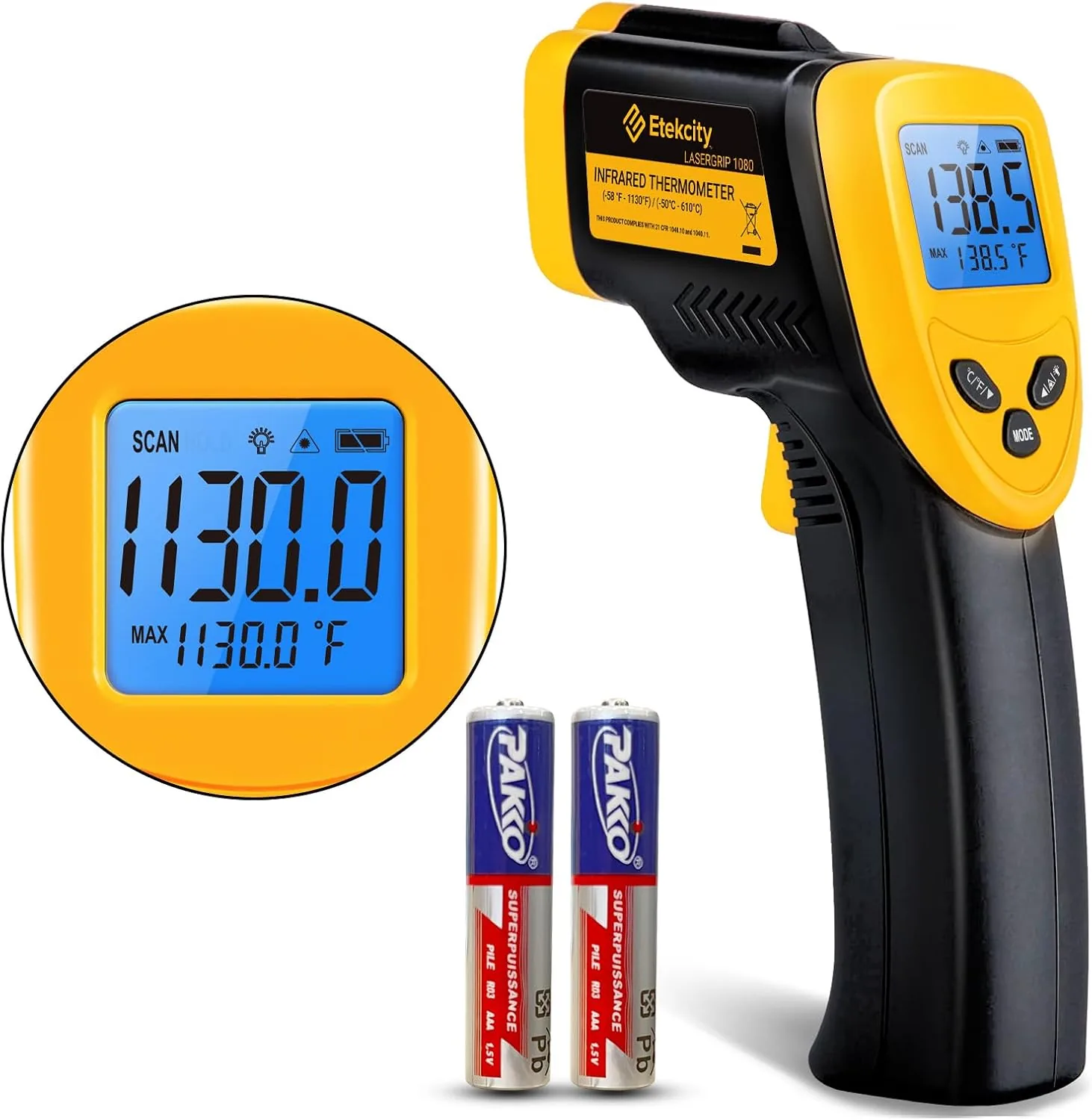
Inspect walls, windows, doors, and ceilings for cold/hot spots using an infrared thermometer or thermal leak detector. Mark locations on your floor plan.
-
Phantom Load Mapping
Unplug suspected devices and monitor your utility meter for drops. Map electronics that consume power when off.
-
HVAC Calibration Check
Verify zoning by measuring temperatures in different rooms at the same time. Check for imbalances that create hot/cold spots.
-
Lighting Efficiency Survey
Count remaining incandescent/CFL bulbs still in use. Calculate kWh waste from outdated lighting.
What You'll Need
| Item | Where to Buy | Estimated Cost |
|---|---|---|
| Black & Decker TLD100 Thermal Detector | Amazon (ASIN: B0044R87BE) | $29.99 |
| P3 International Kill A Watt Meter | Amazon (ASIN: B00009MDBU) | $24.99 |
| Digital Thermometer | Hardware store/Walmart | $15–$25 |
| Floor plan sketchpad | Any notebook | $0–$10 |
Total investment: $70–$90. Average first-month savings: $120–$300.
Download the Free Checklist
Includes:
- Printable home energy audit worksheet (PDF)
- Bonus: Black & Decker TLD100 thermal leak detector user guide
- Sample utility bill analysis template
Frequently Asked Questions
How long does it take?
Fully audited homes (2,500 ft²) take 90–120 minutes. Smaller homes finish in 60 minutes. Larger homes may benefit from doing sections over multiple weekends.
Do I need special equipment?
The essential tools are under $100 and reusable. An infrared thermometer (~$30) eliminates guesswork. A Kill A Watt meter (~$25) identifies phantom loads costing $30–$100/month.
What if I rent?
Focus on phantom loads and lighting. Both yield immediate results and are portable when you move. Thermal fixes often involve landlords, so start with what's in your control.
Should I hire a professional?
Professional audits ($300–$500) rarely uncover savings that exceed their cost. Our DIY method captures 90% of major leaks using consumer-grade tools.
Turn the Checklist Into a 30-Day Savings Plan
Use week one for no-cost fixes, week two for sub-$50 materials, week three for plug-level measurements, and week four for any contractor quotes that still look necessary. That pacing keeps the audit practical instead of overwhelming.
The best audits do not just identify waste. They create a sequence that moves from fastest payback to bigger decisions with confidence.
What Numbers to Record While You Audit
Write down the room, the problem type, the tool you used, and the likely fix. For example: “north bedroom window — cold draft — incense test — weatherstrip and latch adjustment.” That level of detail keeps the checklist actionable when you review it a week later.
Also note whether the issue is comfort-only, energy-only, or both. A comfort complaint with no measurable energy penalty may still be worth fixing, but it should not outrank a standby load that quietly adds money every month.
A simple scoring system
- 3 points: affects the bill every day
- 2 points: seasonal but obvious
- 1 point: occasional annoyance
Sort the sheet by score, then do the highest-score items first. That turns the audit into a prioritized worklist instead of a pile of observations.
How This Checklist Connects to Real Savings
The audit is not valuable because it is thorough. It is valuable because it helps you avoid buying the wrong fix. Many homeowners jump straight to new equipment when the real win was a loose hatch, a thermostat schedule, or a few always-on devices that never got measured. A simple checklist can prevent a four-figure misdiagnosis.
When in doubt, chase the fixes that are easy to measure before and after. Those are the ones most likely to survive a skeptical look at the next utility bill.
Even if you never buy a single tool, the checklist still helps you ask sharper questions when a contractor suggests an expensive fix. A homeowner with notes, room-by-room symptoms, and a utility-bill baseline is much harder to upsell than a homeowner walking in blind.