Window Treatments That Actually Save Energy (Beyond Curtains)
Last Updated: 2026-07-14
Windows are the weakest link in your home's insulation. The right treatment can cut heat loss by 25–40% — but most options that look good do almost nothing. Here's what actually works.
Why Windows Are So Bad at Insulating
A single pane of glass has an R-value of about R-1. A properly insulated wall is R-13 to R-21. That means your windows leak 13–21 times more heat per square foot than your walls. For a baseline before any project, see our guide to the best home energy monitors.
Even double-pane windows only reach R-2 to R-3. And most of that heat loss happens through the frame and air gaps around the glass, not through the glass itself. The fix isn't just better glass — it's layers of air insulation on the inside.
The Solution Path: 4 Levels of Window Insulation
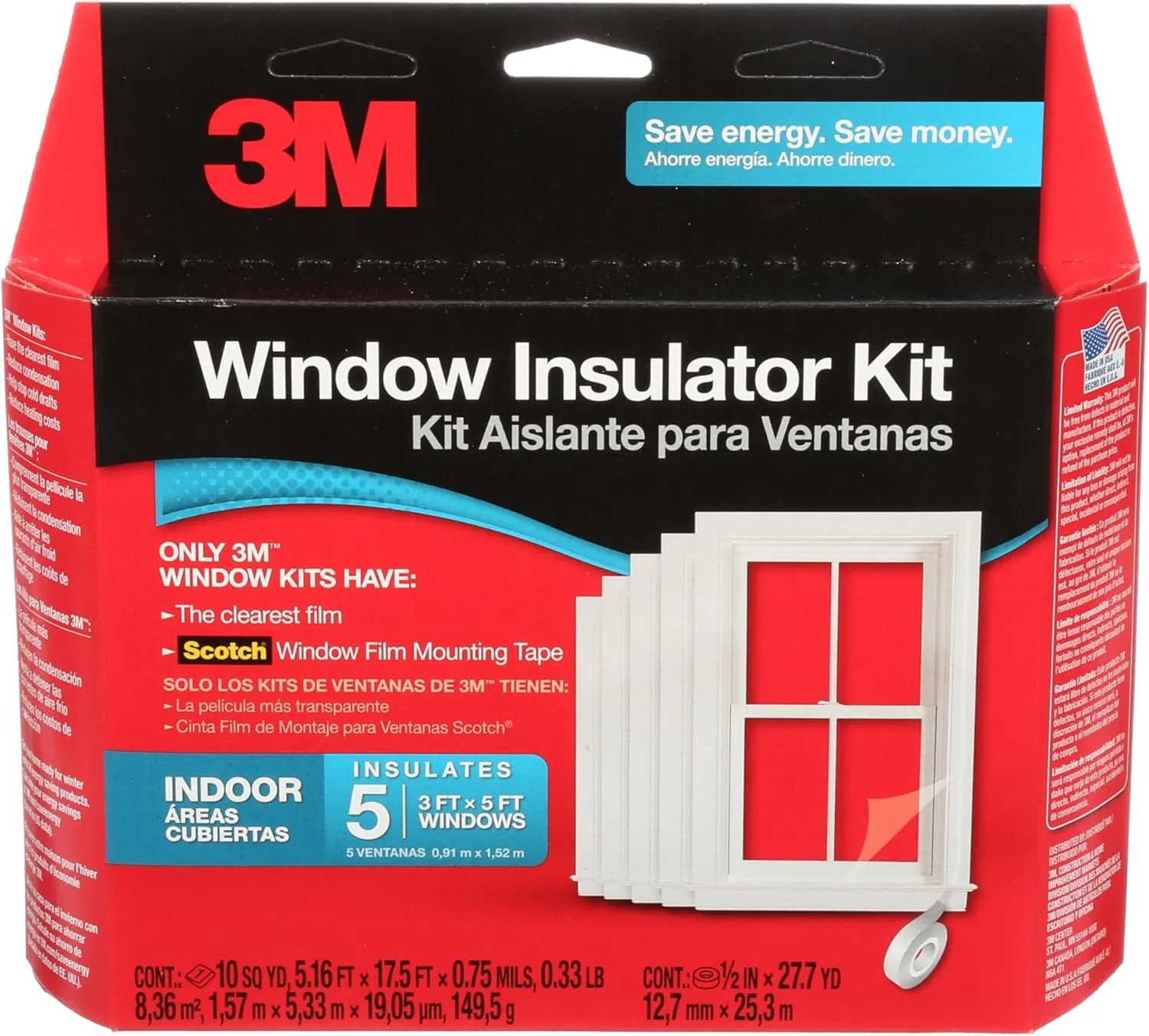
- Window film (heat-shrink or static-cling) —Creates a dead air space between the film and glass, boosting the window's effective R-value by 1–2 points. Costs $3–$8 per window. Install with a hair dryer. Invisible from inside.
- Insulated cellular shades (honeycomb blinds) —The gold standard. Trapped air pockets in the honeycomb structure provide R-3 to R-6 insulation. Close them at night in winter, open them during the day for solar gain. Cut window heat loss by 40–60%.
- Thermal curtains with magnetic seals —Heavy thermal curtains (R-2 to R-4) work best when they're sealed to the wall at the edges. Magnetic tape or Velcro strips create an airtight seal. Without the seal, convection currents pull cold air down behind the curtain.
- Window inserts (Indow or similar) —Custom-fit acrylic panels that press into the window frame with compression tubing. Create a dead air space without replacing windows. R-2 to R-4 boost. Removable for cleaning. Best for renters or historic homes.
What Actually Works vs. What's Just Marketing
| Treatment | R-Value Added | Cost/Window | Best For |
|---|---|---|---|
| Standard curtains | R-0.5–1 | $30–$80 | Privacy, not insulation |
| Window film | R-1–2 | $3–$8 | Budget, DIY, rental |
| Thermal curtains (sealed) | R-2–4 | $40–$120 | Bedrooms, north-facing |
| Cellular shades | R-3–6 | $50–$200 | Whole house, max savings |
| Window inserts | R-2–4 | $50–$100 | Renters, old windows |
| Triple-pane replacement | R-7–10 | $400–$1,200 | New construction, long-term |
Recommended Products
Handling Common Objections
Frequently Asked Questions
Stop Losing Heat Through Your Windows
Windows are responsible for 25–40% of your home's heat loss. The right treatment — starting at $3 per window — can reclaim that energy in weeks. Start with window film on your worst offenders, then upgrade to cellular shades over time.
While you're insulating windows, don't forget your door weatherstripping — it's the other half of the envelope equation. Or explore our thermal leak detection guide for a whole-house approach.
Find Your Home's Weakest Window
Take the Quick Quiz, compare our recovery kits, or use the free printable checklist. Your coldest room is telling you where to start.
Quick Quiz