EcoGuide · Thermal Recovery · Published 2026-05-19 · Last Updated 2026-06-13 · 708 words
Do New Windows and Exterior Doors Actually Lower Energy Bills? A Real-World Breakdown
The Problem
A new homeowner replaced exterior doors one-by-one because they were beat up and leaked air in winter. They noticed a big comfort improvement and now wonder whether replacing all windows will produce a similar drop in heating and cooling bills, or if the cost is better spent elsewhere.
Why It Costs You Money
Drafty single-pane or old double-pane windows and poorly sealed exterior doors can account for 25-30% of residential heating and cooling energy use. In extreme climates, that can mean $100-300/year per window in lost efficiency. However, window replacement is expensive ($300-$1,200 per window installed), and the payback period often stretches 15-30 years if the house already has reasonable insulation everywhere else. For a baseline before any project, see our guide to the best home energy monitors.
The Solution Path
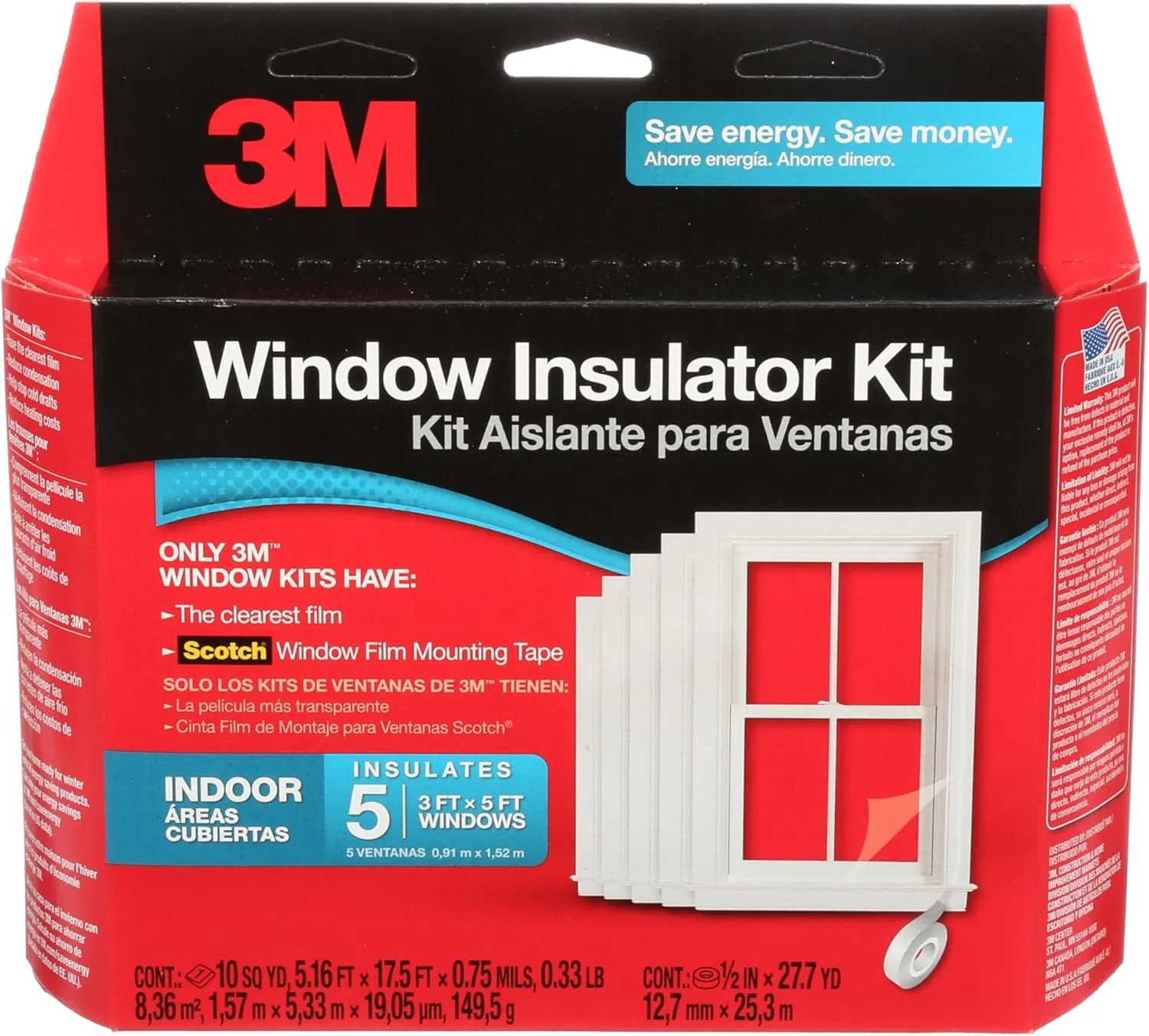
- Seal first, replace second — Air-sealing with spray foam around door frames and shrink-film window kits can deliver 40-60% of the benefit of new windows for under $50.
- Audit with a thermal camera or incense stick — On a windy day, hold a lit incense stick near window and door frames. If the smoke wavers, you have an air leak that weatherstripping or caulk can fix immediately.
- Prioritize south- and west-facing windows — These receive the most solar heat gain and are the biggest drivers of summer cooling load. Replacing or adding low-E film here has the highest ROI. 4. If you do replace, choose the right glazing package — Double-pane with low-E and argon fill is the sweet spot. Triple-pane only makes sense in extreme northern climates or noise-sensitive locations.
Recommended Products
Budget
3M Indoor Window Insulator Kit (5-window) — ~$15, shrink-film plastic that mimics an extra pane of glass and cuts drafts by up to 70%.
Performance: Andersen 100 Series Fibrex Windows — ~$350-550 per window (material only), composite frame resists thermal expansion better than vinyl, good mid-range upgrade.
Eco-Premium: Pella 250 Series Vinyl Windows with triple-pane option — ~$500-750 per window installed, excellent U-factor and solar heat gain coefficient ratings for mixed climates.
Affiliate Disclosure
EcoHome Intelligence participates in the Amazon Associates program. We may earn a commission from qualifying purchases at no extra cost to you.
Frequently Asked Questions
Q: How quickly will I see savings?
A: Most homeowners notice a difference on their very next bill, but full savings typically appear within 1-2 billing cycles.
Q: Do I need professional help?
A: The diagnostic steps in this guide are designed for DIY. Only attic insulation and HVAC upgrades may require a pro.
Q: What if my bill doesn't drop?
A: Re-run the breaker test and verify your utility rate plan hasn't changed. Some savings are seasonal.
The Best Order of Operations
If the goal is lower bills, replacement windows are rarely step one. Start with weatherstripping, trim-side air sealing, insulation film, attic air sealing, and shade control. Those cheaper fixes improve comfort immediately and tell you whether the real problem is glass performance or just uncontrolled air movement.
That is why many homeowners get a comfort win from new doors first: the door swap fixed leakage. The lesson is not “replace everything.” The lesson is “find the leak path first.”
When Window Replacement Really Does Pay
Replacement jumps to the top of the list when the existing units are rotten, impossible to latch, visibly fogged between panes, or impossible to weatherstrip effectively. In those cases you are paying for durability, comfort, and moisture control—not just pure utility savings.
Before spending the big money, compare this page with the drafty-room checklist, our cheap winter window fixes, and window treatments that save energy.
How to Decide Room by Room
Not every opening deserves the same treatment. A south-facing picture window that bakes the living room all summer is a different energy problem than a rarely used basement hopper. Rank openings by comfort complaints, visible leakage, and runtime impact before you assume the whole house needs replacement.
That approach usually reveals a few priority windows and a lot of cheaper weatherization opportunities.
